July 14, 2026

The Senior Seller's Roadmap: What Is Your Home Really Worth?

The Senior Seller's Roadmap: What Is Your Home Really Worth?

Part 2: Understanding Pricing, CMAs, and How to Set Realistic Expectations

Yesterday, we talked about the emotional and practical groundwork of selling the family home. Today, we get into the question every homeowner asks first — and the one that often creates the most anxiety: What is my home worth?

The answer is both simpler and more nuanced than most people expect. And understanding it clearly will protect you from two of the most costly mistakes a senior seller can make: overpricing and underpricing.

What Your Home Is Worth vs. What It Means to You

Here is the hard truth that every good agent will tell you: the market does not care how much you love your home. It does not care about the memories made in the kitchen, the garden you tended for 30 years, or the addition you built when the kids were young. The market has one simple measure — what a ready, willing, and able buyer will pay for your home right now, in current condition, in the current market.

That is not a cold or heartless statement. It is actually a liberating one. Once you separate the emotional value of your home from its market value, you can make cleaner, smarter decisions about pricing — decisions that get you to the closing table faster and with more money in your pocket.

How a Comparative Market Analysis (CMA) Works

The primary tool your real estate agent will use to determine your home's value is a Comparative Market Analysis, or CMA. This is not an appraisal (we will talk about appraisals in a moment), but it is the most reliable starting point for a pricing conversation.

A CMA looks at three categories of homes in your immediate market area:

•Recently sold homes (typically the past 90 to 180 days) — these are the most important data points, because they represent what buyers actually paid, not what sellers hoped to get.

•Currently active listings — these are your competition right now. Buyers will compare your home to these before making an offer.

•Recently expired or withdrawn listings — these are homes that did not sell, which can reveal overpricing patterns in your market.

Your agent will then make adjustments based on how your home compares to those sales: square footage, condition, updates, lot size, location within the neighborhood, garage, basement, and dozens of other factors. The result is a price range — not a single magic number — within which your home is most likely to sell quickly and for top dollar.

The Danger of Overpricing

Overpricing is the single most common and most damaging mistake senior sellers make. It is completely understandable — you have invested decades of love and money into your home, and you want to be compensated for that. But here is what the data consistently shows:

Homes that are priced above market value in the first two weeks sit longer. The longer a home sits, the more buyers wonder what is wrong with it. Price reductions follow. And homes that have had price reductions typically sell for less than they would have if they had been priced correctly from the start.

In the Northern Kentucky and Greater Cincinnati market right now, properly priced homes in good condition are still moving — often with multiple interested buyers. Overpriced homes are not. The first two weeks on market are your golden window. Do not waste them.

The Appraisal: What It Is and When It Matters

A formal appraisal is different from a CMA. An appraisal is conducted by a licensed appraiser, typically ordered by a buyer's lender after you have an accepted offer. Its purpose is to confirm for the lender that the home is worth what the buyer agreed to pay.

Some sellers choose to get a pre-listing appraisal on their own dime — roughly $400 to $600 — to have an independent benchmark before they price. This can be useful in unusual or hard-to-compare properties. But for most homes, a thorough CMA from an experienced local agent is sufficient and more reflective of current market dynamics.

Factors That Increase (and Decrease) Your Home's Value

Beyond the basics of size and location, buyers in the current market are paying attention to:

•Updated kitchens and bathrooms — these remain the highest-return improvements. Even modest updates matter.

•Roof age and HVAC condition — buyers are wary of deferred maintenance. Recent replacements add value and buyer confidence.

•Energy efficiency — updated windows, insulation, and systems matter more than ever to today's buyers.

•Curb appeal — first impressions remain enormously powerful. A home that looks well-cared-for from the street commands more attention and better offers.

•Condition and cleanliness — a home that shows well — decluttered, deep-cleaned, and in good repair — will always outperform a similar home that does not.

Tomorrow, we tackle the subject that many senior sellers dread most: getting your home ready to show. We will walk through what to do, what to skip, and how to approach decluttering decades of accumulated belongings without losing your mind.


Call or text me any time: 859-486-3300 | Visit nkyhomes.com

Mike Parker | The Parker Real Estate Group at Huff Realty | Florence, KY

#ParkerRealEstateGroup #NKYHomes #ParkerAdvantage #HUFFRealty

Parker Real Estate Group • HUFF Realty• NKYHomes.com

Serving Northern Kentucky with honesty, expertise, and care.

July 13, 2026

The Senior Seller's Roadmap: Why Selling the Family Home Feels Different (And What to Do About It)

The Senior Seller's Roadmap: Why Selling the Family Home Feels Different (And What to Do About It)

Part 1: Understanding the Emotional and Practical Landscape

Selling a home is never just a financial transaction. But when you have lived in a home for 20, 30, or even 40 years — when your children grew up in those rooms, when holidays were celebrated in that kitchen, when you can still hear the echoes of a life well-lived — selling feels like something altogether different.

If you are 55 or older and thinking about selling your home, you are not alone. Millions of Americans in the Northern Kentucky and Greater Cincinnati area are in the exact same place right now. Some are downsizing. Some are moving closer to family. Some need a home that better fits their physical needs. And some are simply ready for the next chapter.

Whatever your reason, this week we are walking you through The Senior Seller's Roadmap — a five-day series designed specifically for homeowners like you. Today, we start at the beginning: understanding why this feels so hard, and how to set yourself up for success before a single sign goes in the yard.

The Emotional Weight Is Real — and It Is Valid

Let's acknowledge something that most real estate agents gloss over: selling the family home is an emotional experience. Research from the National Association of Realtors consistently shows that long-term homeowners — especially those over 55 — report higher levels of stress and anxiety around the sale process than younger sellers.

Why? Because your home is not just a piece of real estate. It is your identity, your history, and in many cases, your largest financial asset all rolled into one. Deciding to sell means making decisions on multiple levels at once — practical, financial, and deeply personal.

Many seniors tell us they feel guilty about selling, as if leaving the home is somehow a betrayal of the memories made there. Others feel overwhelmed by the sheer volume of decisions: Where will I go? What do I do with 40 years of belongings? How does the market even work today?

These feelings are completely normal. And the best thing you can do right now is give yourself permission to feel them — and then build a plan.

The Market Has Changed — But Opportunity Is Still There

The real estate market of 2026 looks very different from the one many seniors purchased into decades ago. Interest rates have shifted. Inventory in Northern Kentucky and the Greater Cincinnati area has been tighter than normal. Buyer demand, while moderated from the frenzy of recent years, remains solid — particularly for well-maintained homes in established neighborhoods.

What does that mean for you as a senior seller? It means that if you price your home correctly, prepare it thoughtfully, and work with an experienced agent who understands your market, you are still in an excellent position. Buyers are out there. The right one for your home is out there.

But timing matters. And preparation matters even more. That is exactly what the rest of this series is about.

Before You Do Anything Else, Ask Yourself These Three Questions

Before we talk about pricing, staging, or closing — before any of that — there are three fundamental questions every senior seller should sit with:

•Why am I selling, and what does success look like for me? Is it maximum price? A fast, stress-free sale? Moving on a specific timeline? Getting clear on your "why" will guide every decision that follows.

•Where am I going next, and is that plan in place? The biggest mistake senior sellers make is listing their home before they know where they are headed. Whether you are downsizing to a condo, moving to a retirement community, or relocating closer to family — have that destination at least identified before you list.

•Who is on my team? Selling a home — especially one with decades of accumulated possessions and memories — is not a solo project. You need a trusted real estate agent, possibly an estate sale professional, perhaps an elder law attorney or financial planner, and family members who can support you through the process.

Why Working With a Senior Specialist Matters

Not all real estate agents are the same. Working with an agent who specializes in the 55+ market means working with someone who understands the specific challenges you face — from the emotional complexity of leaving a long-term home, to practical matters like estate considerations, probate, and downsizing logistics.

Mike Parker of Parker Real Estate Group/HUFF Realty has been serving senior sellers in Northern Kentucky for nearly four decades. He is the co-author of The Guide to Life's Last Chapters, a resource specifically designed to help seniors and their families navigate major life transitions — including selling the family home. With over 5,000 career closings, Mike has seen it all and can guide you through every step with patience, expertise, and genuine care.

This week's series is built on that experience. Each day, we will go deeper into a specific phase of your journey. Tomorrow, we tackle the question every seller wants answered first: What is my home actually worth in today's market?

Ready to talk? Call Mike Parker at 859-486-3300 or visit nkyhomes.com. Parker Real Estate Group/HUFF Realty — serving Northern Kentucky since 1986.


Call or text me any time: 859-486-3300 | Visit nkyhomes.com

Mike Parker | The Parker Real Estate Group at Huff Realty | Florence, KY

#ParkerRealEstateGroup #NKYHomes #ParkerAdvantage #HUFFRealty

Parker Real Estate Group • HUFF Realty• NKYHomes.com

Serving Northern Kentucky with honesty, expertise, and care.

June 12, 2026

What Is a Sewer Scope Inspection — and Why Every NKY Home Buyer Should Get One

What Is a Sewer Scope Inspection — and Why Every NKY Home Buyer Should Get One

After nearly 40 years of helping families buy and sell homes across Northern Kentucky and Greater Cincinnati, I've learned that the most expensive problems in a house are usually the ones you can't see. And nothing proves that point quite like the sewer line.

You can walk through a home and admire the kitchen, check the roof, and test every faucet — but the pipe that carries everything away from your house runs underground, completely out of sight. That's where a sewer scope inspection comes in, and it may be the smartest few hundred dollars you spend during your entire home purchase.

What Exactly Is a Sewer Scope Inspection?

A sewer scope is a video inspection of the lateral sewer line — the pipe that runs from your home to the city sewer main or septic system. A trained technician feeds a small, waterproof camera attached to a flexible cable into the line, usually through a cleanout access point. As the camera travels through the pipe, it sends live video back to a monitor, letting the inspector see the condition of the line foot by foot.

The whole process typically takes 30 to 60 minutes, and you'll usually receive a recorded video along with a written report documenting any problems and their exact location in the line.

It's important to know that a sewer scope is not part of a standard home inspection. Your general home inspector checks the visible plumbing inside the house, but the underground lateral line requires specialized camera equipment. That means you have to specifically request a sewer scope — either as an add-on from your inspection company or from a dedicated sewer inspection or plumbing company.

What Problems Can a Sewer Scope Find?

Here in Northern Kentucky, we have a lot of wonderful older housing stock — charming homes in Covington, Fort Thomas, Erlanger, Ludlow, and throughout our river cities that have stood for 75, 100, even 150 years. But older homes often mean older sewer lines, and a camera inspection commonly reveals issues like:

Tree root intrusion. Our mature, tree-lined streets are part of what makes NKY neighborhoods so beautiful — but those roots seek out water, and they'll work their way into the smallest crack or pipe joint. Once inside, roots grow, trap debris, and eventually block or break the line entirely.

Cracked, collapsed, or bellied pipes. Soil settling and shifting over decades can crack pipes or create a "belly" — a sag in the line where water and waste collect instead of flowing through. Our region's clay-heavy soil and freeze-thaw cycles make this especially common.

Outdated pipe materials. Many homes built before the 1980s have clay tile, cast iron, or Orangeburg pipe. Orangeburg — essentially compressed tar paper used widely in mid-century construction — has a lifespan of about 50 years and is often failing or already failed. Clay tile joints are notorious for root intrusion, and cast iron corrodes and scales from the inside out.

Blockages, grease buildup, and offset joints. Even newer lines can have problems from improper installation, settling, or years of buildup.

Why It Matters: The Cost of Skipping It

Here's the bottom line — replacing a sewer lateral typically costs anywhere from $5,000 to $25,000 or more, depending on the depth of the line, its length, what's above it (driveways, mature trees, landscaping), and whether the failure extends under the street. I've seen repair bills that exceeded the buyer's entire down payment savings.

Compare that to the cost of a sewer scope inspection, which generally runs $150 to $400 in our market. That's an extraordinary return on a small investment in peace of mind.

A sewer scope protects you in three big ways:

1.Negotiating power. If the scope reveals a problem, you can ask the seller to repair the line, provide a credit at closing, or adjust the price — all before you own the problem.

2.Walk-away protection. When the inspection is part of your contingency period, a failed sewer line gives you the option to step away from a money pit before it's too late.

3.Planning ahead. Even if you proceed with the purchase, knowing the line's condition lets you budget for future maintenance instead of being blindsided by a backup in your basement six months after moving in.

When Should You Order a Sewer Scope?

My advice: schedule it during your inspection period, ideally at the same time as your general home inspection. I especially recommend a sewer scope if the home:

·Was built before 1990 (and absolutely if before 1970)

·Has large, mature trees in the yard or between the house and street

·Has been vacant for an extended period

·Shows any warning signs — slow drains, gurgling toilets, soggy spots in the yard, or sewer odors

·Has a history of backups disclosed by the seller

Honestly, in our older NKY neighborhoods, I recommend it for nearly every purchase. Even on newer construction, a scope can catch installation defects while the builder warranty still applies.

The Bottom Line

A sewer scope inspection is one of the least expensive, highest-value steps you can take when buying a home. It looks at the one part of the property nobody can see — and the one that can cost the most to fix.

At Parker Real Estate Group/HUFF Realty, we believe in old fashioned service powered by today's technology, and that means making sure our clients go into every purchase with eyes wide open — even underground.

Thinking about buying a home in Northern Kentucky or Greater Cincinnati? Let's talk. Call or text me. With nearly 40 years of experience and more than 5,000 closings, we'll help you protect your investment from the rooftop to the sewer line.


Call or text me any time: 859-486-3300 | Visit nkyhomes.com

Mike Parker | The Parker Real Estate Group at Huff Realty | Florence, KY

#ParkerRealEstateGroup #NKYHomes #ParkerAdvantage #HUFFRealty

Parker Real Estate Group • HUFF Realty• NKYHomes.com

Serving Northern Kentucky with honesty, expertise, and care.

May 26, 2026

What Is a 2-1 Buydown Mortgage? A Detailed Guide for Home Buyers

What Is a 2-1 Buydown Mortgage? A Detailed Guide for Home Buyers

When buying a home, one of the biggest concerns for many buyers is the monthly mortgage payment. Higher interest rates can make payments feel overwhelming, especially during the first few years of homeownership when families are also adjusting to moving expenses, furnishing a home, and managing everyday life.

One financing option that has become more popular in changing markets is called a 2-1 buydown mortgage. While the name may sound complicated, the concept is actually fairly simple once it is explained clearly.

A 2-1 buydown can help buyers ease into their mortgage payments during the first two years of the loan by temporarily lowering the interest rate. It can also help sellers attract buyers in a competitive market.

Let’s break down exactly what a 2-1 buydown is, how it works, who pays for it, and the pros and cons you should understand before choosing this type of financing.

________________________________________

What Is a 2-1 Buydown?

A 2-1 buydown is a temporary mortgage financing arrangement where the interest rate is reduced during the first two years of the loan.

Here’s how it works:

•Year 1: The interest rate is reduced by 2%

•Year 2: The interest rate is reduced by 1%

•Year 3 and beyond: The loan returns to the full original interest rate for the remainder of the mortgage term

This is not an adjustable-rate mortgage (ARM). The actual loan itself is usually a fixed-rate mortgage. The difference is that part of the payment is subsidized temporarily during the first two years.

________________________________________

Example of a 2-1 Buydown

Let’s say a buyer qualifies for a 30-year fixed mortgage at 7% interest.

With a 2-1 buydown, the payments would look something like this:

Year Interest Rate

Year 1 5%

Year 2 6%

Year 3–30 7%

This creates lower monthly payments early in the loan.

For example:

•At 7%, a $400,000 loan might have a principal and interest payment around $2,661 per month

•At 5%, that same loan payment could drop to around $2,147 per month during Year 1

That difference can save a buyer hundreds of dollars each month during the first year.

________________________________________

Who Pays for the Buydown?

One of the most important things to understand is this:

The lender is not “losing” money.

The difference in payments is funded upfront through a lump sum placed into an escrow account at closing.

This money is typically paid by:

•The home seller

•The builder

•The lender

•Sometimes even the buyer

In many cases today, sellers offer a 2-1 buydown as an incentive to help attract buyers without lowering the actual sale price of the home.

For example:

Instead of reducing a home price by $15,000, a seller may offer to pay for a temporary buydown to lower the buyer’s payments during the first two years.

This can make the home more affordable psychologically and financially for the buyer.

________________________________________

Why Buyers Like 2-1 Buydowns

1. Lower Payments During Transition

Moving into a home often comes with additional expenses:

•Furniture

•Appliances

•Repairs

•Landscaping

•Moving costs

A lower payment during the first two years can help buyers adjust financially.

________________________________________

2. Helps Buyers Qualify More Comfortably

Some buyers may feel stretched at today’s interest rates. A temporary reduction can make the monthly budget feel more manageable.

________________________________________

3. Potential Future Refinancing

Many buyers hope interest rates may decrease in the future. A 2-1 buydown can serve as a bridge until refinancing becomes possible.

Of course, refinancing is never guaranteed, and buyers should always make sure they can comfortably afford the full payment beginning in Year 3.

________________________________________

Important Risks and Considerations

While a 2-1 buydown can be a great tool, buyers must fully understand the long-term payment.

1. The Payment Will Increase

This is critical.

The payment rises each year until it reaches the full note rate.

Buyers should prepare financially for:

•Year 1 payment

•Year 2 payment

•Full payment starting Year 3

Never buy a home based only on the discounted payment.

________________________________________

2. Taxes and Insurance Still Change

Even though the interest rate is temporarily reduced, property taxes and homeowners insurance may still increase over time.

This means the overall monthly payment could rise beyond just the buydown adjustments.

________________________________________

3. Not All Loans Allow Buydowns

Different loan programs have different rules.

Many:

•Conventional loans

•FHA loans

•VA loans

can allow temporary buydowns, but guidelines vary by lender and loan type.

Always discuss details with your lender before assuming a buydown is available.

________________________________________

When Does a 2-1 Buydown Make Sense?

A 2-1 buydown may be a smart strategy when:

✅ Interest rates are temporarily high

✅ Sellers are offering concessions

✅ Buyers expect income growth in coming years

✅ Buyers plan to refinance later if rates improve

✅ Buyers want lower upfront monthly payments

However, it may not be the best choice if:

•The buyer already feels financially stretched

•Income is uncertain

•The buyer may struggle once the full payment begins

________________________________________

Final Thoughts

A 2-1 buydown can be an excellent mortgage tool when used wisely. It gives buyers temporary payment relief while allowing sellers to make their homes more attractive without drastically reducing the sale price.

But like any financial decision, it should be approached carefully and with a full understanding of the future payment obligations.

The key is simple:

Buy the home based on what you can comfortably afford long term — not just during the temporary discount period.

A knowledgeable lender and experienced real estate professional can help you determine whether a 2-1 buydown fits your financial goals and homeownership plans.


Call or text me any time: 859-486-3300 | Visit nkyhomes.com

Mike Parker | The Parker Real Estate Group at Huff Realty | Florence, KY

#ParkerRealEstateGroup #NKYHomes #ParkerAdvantage #HUFFRealty

Parker Real Estate Group • HUFF Realty• NKYHomes.com

Serving Northern Kentucky with honesty, expertise, and care.
Posted in Home Buying Tips
May 21, 2026

What Smart Investors Look for When Buying Rental Property

What Smart Investors Look for When Buying Rental Property 

Buying rental property can be a great way to build long-term wealth and create monthly income, but not every property makes a good investment. Smart investors carefully study the property, the location, and the numbers before making a purchase.

One of the first things investors look at is the location. A strong location often means higher demand, lower vacancy rates, and better appreciation over time. Buyers should ask:

  • Is the area growing? 
  • Are home values increasing? 
  • Are rents strong? 
  • Is the property near jobs, schools, shopping, and major highways? 
  • What is the crime rate? 

Next, investors study the cash flow. The goal is to make sure the property produces income after all expenses are paid. Important costs include:

  • Mortgage payment 
  • Taxes 
  • Insurance 
  • Repairs and maintenance 
  • Vacancy allowance 
  • HOA fees 
  • Property management 

A property may look attractive, but if the monthly expenses are too high, it may not be a wise investment.

The condition of the property is also critical. Investors should never judge a property only by appearance. Questions to ask include:

  • How old is the roof and HVAC? 
  • Are there plumbing or electrical issues? 
  • Is there foundation damage or water intrusion? 
  • What condition is the sewer line in? 

Professional inspections, sewer scopes, and pest inspections can help uncover expensive hidden problems before closing.

Another major factor is tenant appeal. Investors should think about the type of renter the property will attract and whether the layout, parking, location, and features fit tenant demand. Homes that are easier to rent usually create fewer vacancy problems.

Smart investors also study:

  • Local vacancy rates 
  • Future development in the area 
  • Appreciation potential 
  • Rental restrictions and landlord laws 
  • Insurance costs 
  • Property taxes 

Many investors also evaluate the property using formulas like Cap Rate:

"Cap Rate"="Net Operating Income" /"Purchase Price" ×100

This helps compare properties based on potential return.

One of the biggest mistakes new investors make is buying emotionally instead of focusing on the numbers. Experienced investors focus on:

  • Cash flow 
  • Long-term value 
  • Tenant demand 
  • Maintenance costs 
  • Overall return on investment 

Rental property ownership can create long-term income, tax advantages, and wealth when done correctly. However, success usually comes from careful planning, patience, and working with experienced professionals who understand investment real estate.


Call or text me any time: 859-486-3300 | Visit nkyhomes.com

Mike Parker | The Parker Real Estate Group at Huff Realty | Florence, KY

#ParkerRealEstateGroup #NKYHomes #ParkerAdvantage #HUFFRealty

Parker Real Estate Group • HUFF Realty• NKYHomes.com

Serving Northern Kentucky with honesty, expertise, and care.

May 20, 2026

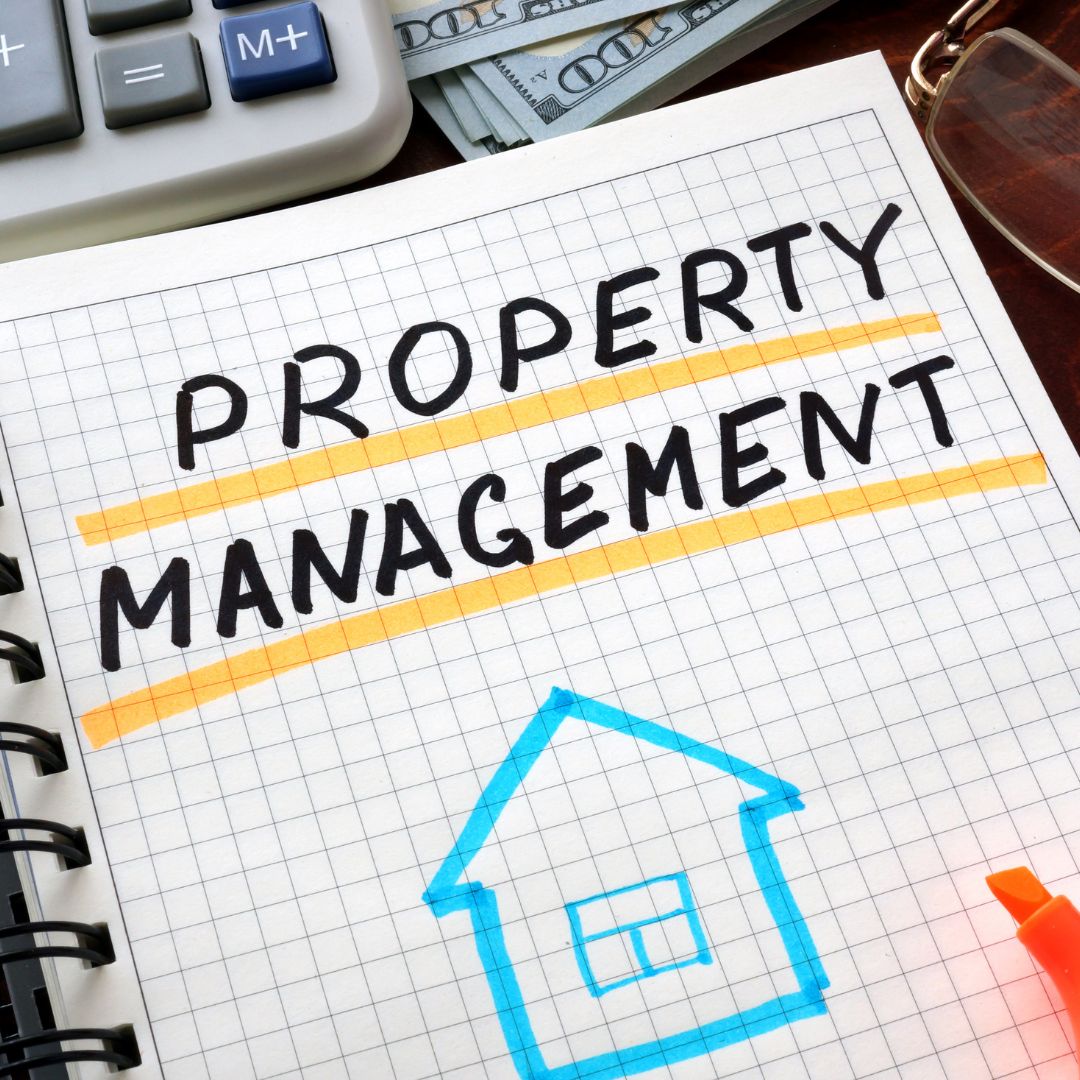
What Does a Property Management Company Actually Do for Rental Property Owners?

What Does a Property Management Company Actually Do for Rental Property Owners?

Owning rental property can be one of the best ways to build long-term wealth, create monthly cash flow, and grow a real estate portfolio. However, many people quickly discover that owning rental property and managing rental property are two completely different jobs.

This is where a professional property management company comes in.

Many landlords believe a property management company simply “collects rent,” but a good management company actually handles dozens of responsibilities that help protect your investment, maximize income, reduce stress, and keep tenants satisfied.

If you are considering buying investment property or already own rentals, it is important to understand exactly what a property management company does and whether hiring one makes sense for your situation.

________________________________________

What Is a Property Management Company?

A property management company is hired by a property owner to oversee the daily operations of rental property. They act as the middleman between the owner and the tenant while helping maintain the property, collect income, and handle problems that arise.

Property managers can oversee:

•Single-family homes

•Duplexes

•Multi-family properties

•Apartment buildings

•Condominiums

•Commercial properties

•Vacation rentals

Their goal is to protect the owner’s investment while making the property operate efficiently and profitably.

________________________________________

Marketing the Rental Property

One of the first major responsibilities of a property management company is marketing vacant properties.

Vacancy is expensive. Every month a property sits empty costs the owner money.

A professional management company typically:

•Takes professional photos

•Creates online listings

•Markets the property on rental websites

•Places signage

•Handles social media advertising

•Answers inquiries from prospective tenants

•Schedules showings

An experienced property manager also understands local rental pricing and can help determine the proper rent amount based on the current market.

Pricing too high can cause long vacancies.

Pricing too low leaves money on the table.

A good property manager helps find the balance.

________________________________________

Screening Tenants

One of the most important things a property management company does is tenant screening.

A bad tenant can cost thousands of dollars in:

•Unpaid rent

•Property damage

•Legal expenses

•Evictions

•Stress and headaches

Professional property managers typically screen tenants by reviewing:

•Credit reports

•Criminal background checks

•Rental history

•Employment verification

•Income verification

•References

Good screening helps reduce risk and increases the chances of securing responsible tenants who pay on time and take care of the property.

This is one of the biggest benefits of professional management.

________________________________________

Handling Lease Agreements

Property management companies prepare and manage lease agreements.

The lease outlines:

•Rental terms

•Monthly payment amounts

•Security deposits

•Rules and regulations

•Maintenance responsibilities

•Pet policies

•Late fees

•Move-out procedures

A professionally written lease helps protect both the owner and the tenant while reducing misunderstandings and legal issues.

Many management companies stay current on landlord-tenant laws, fair housing regulations, and local ordinances that landlords may not fully understand.

________________________________________

Collecting Rent

Collecting rent may sound simple, but it can quickly become uncomfortable and time-consuming for landlords.

Property management companies:

•Collect monthly rent

•Track payments

•Enforce late fees

•Handle bounced checks

•Follow up on unpaid balances

•Provide online payment options

Having a third-party management company often removes the emotional aspect of rent collection.

Professional managers are typically more consistent and structured when handling late payments.

________________________________________

Coordinating Maintenance and Repairs

Maintenance is one of the biggest responsibilities in rental property ownership.

Property management companies usually coordinate:

•Plumbing repairs

•Electrical issues

•HVAC service

•Appliance repairs

•Lawn care

•Snow removal

•Roof problems

•Emergency maintenance calls

Most established management companies have trusted vendor relationships with contractors and service providers.

This can often:

•Reduce repair costs

•Speed up response times

•Improve work quality

Many tenants appreciate having a professional system for maintenance requests instead of trying to reach the landlord directly at all hours.

________________________________________

Handling Emergency Calls

Rental property emergencies rarely happen at convenient times.

Problems like:

•Broken pipes

•Furnace failures

•Flooding

•Sewer backups

•Electrical issues

often happen at night, on weekends, or during holidays.

Many property management companies provide 24/7 emergency response systems.

For landlords who want passive income without constant interruptions, this alone can be worth the management fee.

________________________________________

Property Inspections

Professional management companies often perform regular inspections of the property.

These inspections may occur:

•Before move-in

•During tenancy

•At move-out

•Annually or semi-annually

The purpose is to:

•Identify maintenance issues early

•Ensure tenants are following lease terms

•Check for damage

•Protect the owner’s investment

Routine inspections help prevent small issues from becoming expensive problems.

________________________________________

Managing Security Deposits

Property management companies often handle:

•Security deposit collection

•Deposit documentation

•Move-in condition reports

•Move-out inspections

•Deposit refunds

•Damage assessments

Proper documentation is critical in avoiding disputes with tenants.

Many states have strict laws regarding security deposits, timelines, and documentation requirements.

________________________________________

Handling Evictions

Unfortunately, not every tenancy works out.

When tenants fail to pay rent or violate lease terms, a property management company may handle the eviction process.

This often includes:

•Serving notices

•Filing legal paperwork

•Coordinating with attorneys

•Attending court hearings

•Scheduling lockouts

Evictions can be stressful, emotional, and legally complicated.

Experienced property managers understand the process and help owners avoid costly mistakes.

________________________________________

Financial Reporting

Most professional management companies provide detailed financial reporting.

Owners often receive:

•Monthly statements

•Expense tracking

•Maintenance invoices

•Rental income summaries

•Year-end tax documents

These reports help owners monitor cash flow and simplify tax preparation.

Good reporting is especially valuable for investors who own multiple properties.

________________________________________

Helping Maximize Profitability

A strong property management company does more than just maintain property — they help maximize returns.

They may advise owners on:

•Rental increases

•Property improvements

•Cost-saving maintenance

•Market trends

•Tenant retention strategies

•Value-add opportunities

Sometimes small upgrades can significantly increase rent and property value.

Experienced managers understand what improvements generate the best return on investment.

________________________________________

Is Hiring a Property Management Company Worth It?

The answer depends on your goals, experience, and availability.

A property management company may be worth it if:

•You own multiple properties

•You live out of town

•You do not want late-night calls

•You have limited time

•You prefer passive investing

•You are unfamiliar with landlord laws

•You want professional systems in place

Management fees typically range from 8%–12% of collected rent for residential property, though fees vary by market and services provided.

While some landlords prefer self-management, many investors find that professional management saves time, reduces stress, and improves long-term results.

________________________________________

Final Thoughts

Rental property can be an incredible tool for building wealth, but successful ownership requires systems, communication, organization, and consistent oversight.

A professional property management company handles the daily responsibilities that many owners either cannot or do not want to manage themselves.

From marketing and tenant screening to maintenance, inspections, rent collection, and legal compliance, a good management company helps protect both the property and the owner’s investment.

The key is choosing a management company with experience, strong communication, solid systems, and a reputation for professionalism.

Because in rental property ownership, good management is not an expense — it is often one of the smartest investments an owner can make.


Call or text me any time: 859-486-3300 | Visit nkyhomes.com

Mike Parker | The Parker Real Estate Group at Huff Realty | Florence, KY

#ParkerRealEstateGroup #NKYHomes #ParkerAdvantage #HUFFRealty

Parker Real Estate Group • HUFF Realty• NKYHomes.com

Serving Northern Kentucky with honesty, expertise, and care.

May 18, 2026

Memorial Day Events in Northern Kentucky

Memorial Day Events in Northern Kentucky: Things to Do Around Florence KY & Cincinnati This Memorial Day Weekend

As Memorial Day weekend approaches, families across Northern Kentucky and the Greater Cincinnati area begin making plans to kick off the unofficial start of summer. From patriotic ceremonies and parades to festivals, live music, farmers markets, and outdoor fun, there is no shortage of Memorial Day events in Northern Kentucky to enjoy.

For many, Memorial Day is much more than a long weekend. It is a time to remember and honor the brave men and women who gave their lives serving our country. Throughout Northern Kentucky and Cincinnati, communities come together to celebrate freedom, support veterans, and spend meaningful time with family and friends.

If you are looking for things to do Memorial Day weekend in NKY, this guide will help you make the most of the holiday weekend.


________________________________________

Northern Kentucky always comes alive during Memorial Day weekend. Communities throughout Boone, Kenton, and Campbell Counties host events for residents and visitors alike.

Florence KY Memorial Day Events

Florence is one of the most popular areas in Northern Kentucky for Memorial Day activities. Families enjoy the convenient location, shopping, restaurants, and nearby attractions while still experiencing a strong sense of community.

Things to enjoy around Florence during Memorial Day weekend include:

•Community Memorial Day ceremonies honoring veterans 

•Local church festivals and gatherings 

•Outdoor dining and patio restaurants 

•Boone County parks and walking trails 

•Family cookouts and neighborhood events 

•Shopping at Florence Mall and local boutiques 

•Farmers markets opening for the season 

Many local residents also spend time at nearby parks such as:

•Boone Woods Park 

•England-Idlewild Park 

•Doe Run Lake Park 

These parks are great for picnics, walking, grilling, fishing, and spending quality time outdoors with family.

________________________________________

Cincinnati Memorial Day Events Worth Visiting

Just minutes from Northern Kentucky, Cincinnati offers some of the region’s biggest Memorial Day weekend attractions.

Popular Cincinnati Memorial Day events often include:

•Downtown riverfront festivals 

•Live music concerts 

•Reds baseball games 

•Memorial Day parades 

•Museum exhibits 

•Fireworks and family entertainment 

•Findlay Market activities 

•Fountain Square events 

The Ohio River waterfront becomes especially active during the holiday weekend. Many families enjoy walking along:

•Smale Riverfront Park 

•The Banks 

•Newport on the Levee 

Restaurants and rooftop venues across downtown Cincinnati and Northern Kentucky also tend to be very popular throughout Memorial Day weekend.

________________________________________

Best Outdoor Activities for Memorial Day Weekend in NKY

One reason so many people love living in Northern Kentucky is the easy access to outdoor recreation. Memorial Day weekend is often the perfect time to enjoy the region’s beautiful scenery and warm weather.

Some favorite outdoor activities include:

Hiking & Walking Trails

•Devou Park 

•Big Bone Lick State Historic Site 

•A.J. Jolly Park 

Boating & Fishing

Many families head to nearby lakes and rivers for boating, kayaking, and fishing during the holiday weekend.

Backyard Entertaining

Memorial Day is also one of the busiest weekends for backyard cookouts and gatherings. Homeowners throughout Northern Kentucky spend the weekend:

•Grilling with family 

•Opening pools 

•Hosting friends 

•Relaxing on patios and decks 

It is also one of the reasons spring and early summer are such active seasons for real estate.

________________________________________

Memorial Day Weekend and the Northern Kentucky Housing Market

Memorial Day weekend is traditionally one of the busiest times of year for real estate activity. Buyers often use the extra time off work to attend open houses and explore neighborhoods.

Northern Kentucky continues to attract buyers because of:

•Lower cost of living compared to many larger metro areas 

•Proximity to Cincinnati 

•Strong sense of community 

•Excellent schools 

•Beautiful neighborhoods 

•Access to parks and recreation 

•Convenient location near Cincinnati/Northern Kentucky International Airport 

Communities like:

•Union 

•Hebron 

•Fort Thomas 

•Independence 

•Burlington 

continue to see strong interest from buyers looking for a great place to call home.

________________________________________

Taking Time to Remember the Meaning of Memorial Day

While Memorial Day weekend is often filled with family activities and celebration, it is important to remember the true meaning behind the holiday.

Memorial Day is a time to honor the courageous men and women who made the ultimate sacrifice serving our country. Across Northern Kentucky and Cincinnati, communities pause to remember those heroes through ceremonies, flags, moments of silence, and acts of gratitude.

Their sacrifice is the reason we enjoy the freedoms we have today.

________________________________________

Thinking About Moving to Northern Kentucky?

Whether you are considering buying, selling, relocating, or simply exploring the area, Memorial Day weekend is a wonderful time to experience everything Northern Kentucky has to offer.

From small-town charm and beautiful parks to vibrant communities and convenient access to Cincinnati, it is easy to see why so many people choose to call Northern Kentucky home.

If you are thinking about making a move, the team at Parker Real Estate Group / HUFF Realty would be honored to help guide you through the process.


Call or text me any time: 859-486-3300 | Visit nkyhomes.com

Mike Parker | The Parker Real Estate Group at Huff Realty | Florence, KY

#ParkerRealEstateGroup #NKYHomes #ParkerAdvantage #HUFFRealty

Parker Real Estate Group • HUFF Realty• NKYHomes.com

Serving Northern Kentucky with honesty, expertise, and care.

May 1, 2026

What Sellers in Northern Kentucky Need to Know Before Listing This Spring

What Sellers in Northern Kentucky Need to Know Before Listing This Spring

Spring is traditionally the most active season in real estate — and in Northern Kentucky, that holds true year after year. Buyers come out of winter with energy, motivation, and in many cases, pre-approval letters in hand. If you’ve been thinking about selling your home, right now is one of the best windows to make your move.

But here’s the thing: the sellers who come out ahead aren’t always the ones with the nicest homes. They’re the ones who are the most prepared. Before you put a sign in the yard or post a listing online, here’s what you need to know.

1. Pricing Your Home Right the First Time Matters More Than Ever

Sellers sometimes assume they can test the market with a high price and adjust later. In today’s environment, that strategy can backfire quickly. Homes that sit too long — even a few extra weeks — start to raise questions in buyers’ minds. They wonder what’s wrong with it.

The NKY market remains competitive, but buyers are more educated than ever. They’re comparing your home to everything else available in Florence, Erlanger, Independence, and Union in real time. Pricing at market value — or strategically just below — generates the kind of early activity that leads to multiple offers and stronger final sale prices.

2. First Impressions Sell Homes

Before a buyer ever sets foot inside, they’ve already formed an opinion. Curb appeal, listing photos, and your home’s online presence are your first showing. Here’s a quick checklist to make sure you’re starting strong:

•Fresh mulch, trimmed landscaping, and a clean entryway

•A fresh coat of paint on the front door goes a long way

•Professional photography — not smartphone snapshots

•Decluttered, well-lit interior spaces for every photo

Remember, more than 95% of buyers start their home search online. Your listing photos are your first showing.

3. Know Your Numbers Before You List

Too many sellers focus entirely on the sale price without thinking about the net proceeds — what actually ends up in their pocket after commissions, closing costs, repairs, and any remaining mortgage balance.

A good agent will walk you through a seller’s net sheet before you list, so there are no surprises at the closing table. Understanding your equity position and your options gives you the confidence to negotiate from a position of strength.

4. The Inspection Will Happen — Plan for It

In nearly every transaction, the buyer will order a home inspection. Rather than waiting to be surprised, consider a pre-listing inspection. It lets you identify and address issues on your own timeline, rather than scrambling mid-contract when emotions and deadlines are running high.

Even small repairs — a leaky faucet, a worn caulk line, an aging HVAC filter — signal to buyers that your home has been well cared for. That perception has real value.

5. Have a Plan for Where You’re Going

One of the most common reasons sellers hesitate is uncertainty about what comes next. In a market where well-priced homes move quickly, you’ll want to know your options before you’re under contract.

Whether you’re buying another home in the area, downsizing into something more manageable, or relocating entirely, having a clear next step removes the stress from the process. We work with sellers every day who are navigating exactly this kind of transition — and having the right guidance makes all the difference.

Ready to Talk About Your Home?

At Parker Real Estate Group/HUFF Realty, we’ve helped thousands of Northern Kentucky homeowners sell with confidence — and we’d love to do the same for you. Whether you’re ready to list next week or just exploring your options, let’s start with a conversation.

Reach out today at nkyhomes.com or give us a call. Spring won’t wait — and neither will the right buyer.


Call or text me any time: 859-486-3300 | Visit nkyhomes.com

Mike Parker | The Parker Real Estate Group at Huff Realty | Florence, KY

#ParkerRealEstateGroup #NKYHomes #ParkerAdvantage #HUFFRealty

Parker Real Estate Group • HUFF Realty• NKYHomes.com

Serving Northern Kentucky with honesty, expertise, and care.

Posted in Home Selling Tips
April 23, 2026

Can You Get a Mortgage If You Are Retired?

Can You Get a Mortgage If You Are Retired?

It's one of the most common questions I hear from clients in my Life's Last Chapters program: Mike, I'm retired -- can I even qualify for a mortgage? The short answer is yes, absolutely. Age is not a factor lenders are legally allowed to use when evaluating a mortgage application. What matters is your financial picture, not the date on your birth certificate.

If you're a retiree in Northern Kentucky thinking about right-sizing your home, moving closer to family, or simply trading in that big house for something more manageable, don't let the mortgage process intimidate you. Here's what you need to know.

Age Discrimination Is Illegal in Lending

The Equal Credit Opportunity Act (ECOA) prohibits lenders from discriminating based on age. A 68-year-old and a 38-year-old with identical financial profiles should receive identical treatment. Period. So if you've been hesitant to even apply because you think your age will count against you, set that worry aside right now.

What Lenders Actually Look At

Lenders care about three core things: your ability to repay the loan, your credit history, and the property itself. Here's how each plays out for most retirees:

Income. You don't need a paycheck to qualify. Lenders accept a wide range of retirement income sources, including Social Security, pension distributions, 401(k) or IRA withdrawals, annuity income, rental income, and investment dividends. In fact, some loan programs allow lenders to use your asset balances to calculate an asset depletion income figure even if you're not actively drawing it down.

Credit Score. Many retirees have excellent credit built over decades of responsible borrowing. A strong credit score -- generally 680 or above -- opens the door to better rates and more loan options. If yours needs a little work, that's fixable, and a good lender will help you understand what steps to take.

Debt-to-Income Ratio. Lenders want to see that your monthly debt obligations (including the new mortgage) don't consume too large a percentage of your income. If you're carrying minimal debt into retirement -- as many retirees are -- this often works in your favor.

Loan Options Worth Knowing About

Conventional loans, FHA loans, and VA loans (for veterans) are all available to retired borrowers. There's no upper age limit on any of them. If you're 62 or older, a Home Equity Conversion Mortgage (HECM) -- more commonly known as a reverse mortgage -- is another option that allows you to purchase a home without a traditional monthly mortgage payment, though it does have specific requirements and trade-offs worth discussing carefully with a financial advisor.

A Few Practical Tips Before You Apply

Get your documentation organized early. Lenders will want two years of tax returns, recent bank and investment statements, Social Security award letters, and pension documentation. Having these ready speeds the process considerably.

Work with a lender who has experience with retiree borrowers. Not all loan officers are familiar with asset depletion calculations or how to properly document retirement income. Ask upfront about their experience.

Consider your time horizon. A 15-year mortgage rather than a 30-year may make more sense depending on your plans, estate goals, and cash flow. There's no one-size-fits-all answer.

The Bottom Line

Retirement is a transition, not a financial dead end. The fact that you've spent decades building home equity, managing your finances wisely, and paying your bills on time is an asset -- literally and figuratively. You've earned the right to make the move that makes sense for this chapter of your life, and a mortgage can absolutely be part of that plan.

I've helped hundreds of clients in the 55+ community navigate this exact process right here in Northern Kentucky. If you have questions about what's possible for your situation, I'd love to talk it through. Reach out anytime at nkyhomes.com or give my office a call -- that's what I'm here for.


Call or text me any time: 859-486-3300 | Visit nkyhomes.com

Mike Parker | The Parker Real Estate Group at Huff Realty | Florence, KY

#ParkerRealEstateGroup #NKYHomes #ParkerAdvantage #HUFFRealty

Parker Real Estate Group • HUFF Realty• NKYHomes.com

Serving Northern Kentucky with honesty, expertise, and care.

April 20, 2026

How to Pick the Right Refrigerator for Your New Home

How to Pick the Right Refrigerator for Your New Home

A practical guide for couples buying their first appliance together.

Moving into a new home together is one of the most exciting milestones a couple can share. But amid the joy of choosing paint colors and arranging furniture, one of your first major decisions will be decidedly less glamorous: picking a refrigerator. It may not seem like a romantic purchase, but the right fridge will serve your household every single day for the next 10 to 20 years. Choose wisely now, and you’ll never think about it again. Here is everything you need to know before you buy.

Start with the Space, Not the Store

Before you fall in love with a sleek French door model online, grab a tape measure. Measure the width, height, and depth of the opening where your refrigerator will live. Do not forget to account for door swing clearance on both sides, and make sure the fridge can actually fit through your hallway or doorway on delivery day. A model that is too wide or too tall will force you to start over. Always measure twice and shop once.

Choose the Right Style for How You Live

Refrigerators come in four main configurations, and each suits a different lifestyle:

•Top-freezer: The most affordable and energy-efficient option. Great for budget-conscious couples who keep things simple.

•Bottom-freezer: Puts fresh food at eye level, which is convenient if you access the fridge far more than the freezer.

•Side-by-side: Works well in narrow kitchens and gives both partners easy access to both sections, but individual shelves can be narrow.

•French door: The most popular choice today. Wide shelves, great organization, and a premium look — but a higher price tag to match.

Get the Capacity Right

For most couples, a refrigerator between 18 and 22 cubic feet is the sweet spot. If you love to cook big meals, batch prep on Sundays, or entertain guests often, lean toward the larger end. If you are minimalists who shop frequently and eat out regularly, a smaller unit will serve you just fine. Keep in mind that an overly large refrigerator wastes energy when it is not full, so bigger is not always better.

Think About Energy Efficiency

Your refrigerator runs 24 hours a day, 365 days a year, making it one of the most energy-hungry appliances in your home. Look for the Energy Star certification label, which indicates the unit meets strict efficiency guidelines. An Energy Star-certified refrigerator uses about 15 percent less energy than the minimum federal standard, which adds up to real savings on your utility bill over time. This is one area where spending a little more upfront pays off in the long run.

Features: Wants vs. Needs

Modern refrigerators come loaded with options: built-in water and ice dispensers, door-in-door compartments, smart Wi-Fi connectivity, adjustable humidity drawers, and even interior cameras. Talk with your partner before you shop and agree on what you will actually use. A water dispenser is a daily convenience for many couples. A smart screen on the door, on the other hand, may be a novelty you pay for but never fully use. Every extra feature adds to the purchase price and, in some cases, to future repair costs.

Budget for the Full Cost

The price tag on the showroom floor is rarely the final number. Add in delivery fees, haul-away charges for your old unit, water line installation if you want an ice maker, and the cost of an extended warranty if the manufacturer’s coverage seems thin. A good refrigerator at a fair price is one you can maintain without stress. Set a realistic budget together before you walk into any store or browse any website, and stick to it.

Buying a refrigerator as a couple is your first chance to make a practical decision together for your shared home. Take your measurements, talk through your cooking habits, compare a few models, and trust your gut. The right fridge will keep your food fresh, your budget intact, and your mornings running smoothly for years to come. Welcome to your new home — now stock that fridge.


Call or text me any time: 859-486-3300 | Visit nkyhomes.com

Mike Parker | The Parker Real Estate Group at Huff Realty | Florence, KY

#ParkerRealEstateGroup #NKYHomes #ParkerAdvantage #HUFFRealty

Parker Real Estate Group • HUFF Realty• NKYHomes.com

Serving Northern Kentucky with honesty, expertise, and care.

Posted in Home Buying Tips