Lighting the Way: The Best Light Bulbs for Your Home
Walk down any hardware store aisle and you'll find dozens of light bulb options staring back at you. Which ones are actually worth your money? The answer depends on where you're installing them, your energy priorities, and the ambiance you want to create. Here's a practical breakdown to help every homeowner make a smarter choice.
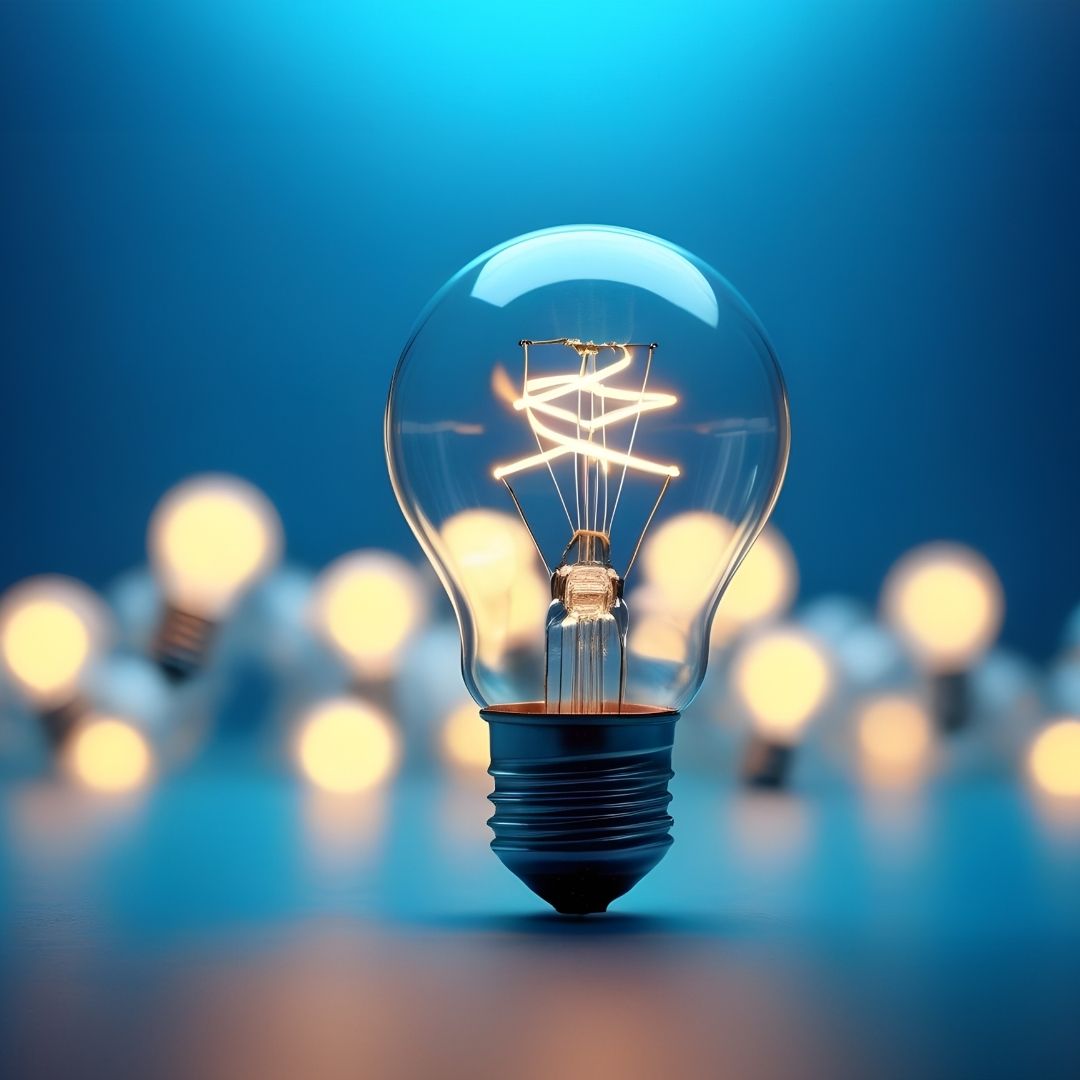
LED Bulbs: The Clear Winner for Most Rooms
LED (Light Emitting Diode) bulbs are the gold standard for residential lighting today — and for good reason. They use up to 75% less energy than traditional incandescent bulbs and can last anywhere from 15,000 to 25,000 hours. That means a bulb you install today could still be burning bright a decade from now.
LEDs work exceptionally well in kitchens, living rooms, hallways, and home offices. They come in a wide range of color temperatures — from warm 2700K (soft yellow, cozy feel) to cool 5000K (bright white, great for task lighting). Look for LEDs with a CRI (Color Rendering Index) of 90 or higher if accurate color matters, such as in closets or art spaces.
Smart Bulbs: Convenience Meets Efficiency
Smart LED bulbs — brands like Philips Hue, LIFX, and GE Cync — take the LED advantage a step further. They connect to your home Wi-Fi or smart hub and allow remote control via your phone or voice assistants like Alexa or Google Home. You can schedule lights to turn off automatically, dim them for movie nights, or even change colors to set the mood.
They cost more upfront — often $10 to $20 per bulb — but the energy savings and convenience make them a worthwhile investment for bedrooms, living areas, and outdoor fixtures.
Specialty Situations: Bathroom, Garage, and Outdoor Use
Bathrooms call for bright, flattering light. Look for LEDs rated at 2700K to 3000K near vanity mirrors — they reduce harsh shadows that cooler bulbs create. In the garage or utility room, high-lumen LED shop lights or plug-in LED strips offer excellent visibility without running up your electric bill.
For outdoor fixtures, always check the bulb's IP (Ingress Protection) rating. An IP65 or higher rating ensures the bulb is protected against rain and humidity. Dusk-to-dawn LED bulbs with built-in sensors are especially practical for porch and driveway lighting.
What to Skip
Traditional incandescent bulbs are largely phased out for good reason — they waste about 90% of their energy as heat. CFL (compact fluorescent) bulbs were the transitional technology, but they contain mercury, take time to warm up, and have largely been surpassed by LEDs. Unless you have a specific fixture that requires them, there's little reason to go either route today.
Bottom Line
For most homes, quality LED bulbs in the 2700K–3000K range offer the best combination of warmth, efficiency, and longevity. Upgrade to smart bulbs where control and ambiance matter most. Pay attention to color temperature and lumen output rather than just wattage — today's best bulbs are measured by the light they produce, not the energy they consume.
Small choices like light bulbs add up over time — both in energy savings and in the comfort of your home. Light it right, and you'll notice the difference every single day.
Call or text me any time: 859-486-3300 | Visit nkyhomes.com
Mike Parker | The Parker Real Estate Group at Huff Realty | Florence, KY
#ParkerRealEstateGroup #NKYHomes #ParkerAdvantage #HUFFRealty
Parker Real Estate Group • HUFF Realty• NKYHomes.com
Serving Northern Kentucky with honesty, expertise, and care.