Nov. 14, 2025

What to Look for When Buying a Home Older Than Fifty Years


Buying a historic or older home can be an exciting venture filled with character and charm that newer constructions simply can't replicate. However, homes built before 1975 come with unique considerations that require careful evaluation. Here's your comprehensive guide to navigating the purchase of a home with more than five decades of history.


Foundation and Structural Integrity

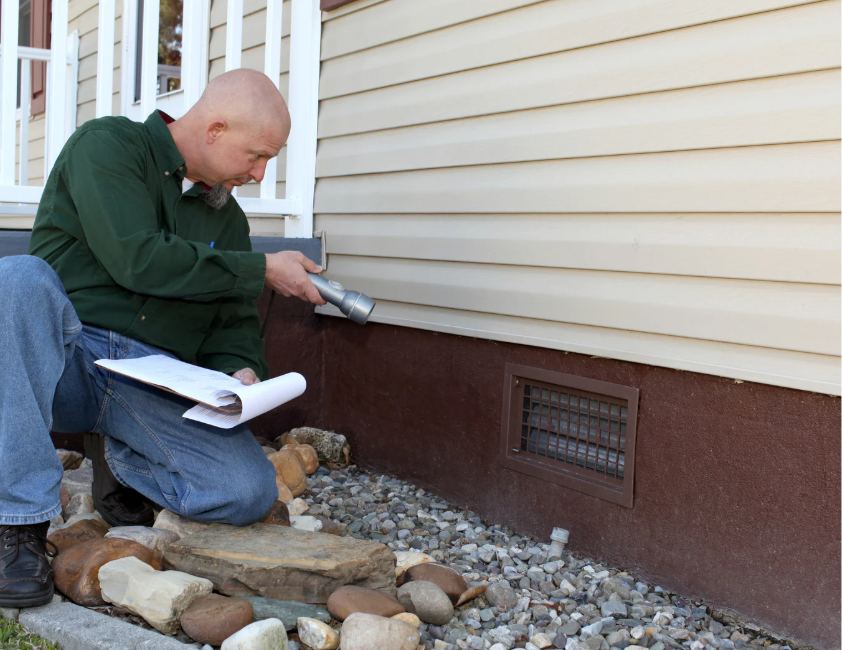
• Foundation condition is paramount in older homes. Look for cracks wider than a quarter-inch, particularly horizontal cracks or stair-step patterns in brick or block foundations. Settlement is normal, but active movement indicates serious problems. Walk the basement or crawl space with a flashlight, checking for water stains, efflorescence (white powdery deposits), or dampness. Pay attention to whether floors feel springy or slope noticeably, as this suggests foundation issues or deteriorated floor joists. Older homes may have stone foundations that require different maintenance than modern poured concrete, and these can be more susceptible to water infiltration and shifting over time.

• Examine the structural framing carefully. In basements and attics, look for sagging beams, modified or cut joists, and signs of wood rot or insect damage. Termites, carpenter ants, and powder post beetles are common in older homes. Check for mud tubes along foundation walls, hollow-sounding wood when tapped, or small piles of sawdust. Previous owners may have made structural modifications without proper engineering, so notched joists or removed walls without adequate support beams are red flags that require professional assessment.


Electrical Systems

• Electrical systems in pre-1975 homes often need complete updating. Look for the amperage of the main service panel—older homes typically have 60 or 100-amp service, while modern homes require 200 amps for today's electrical demands. Check whether the home still has knob-and-tube wiring or aluminum wiring, both of which are considered fire hazards by insurance companies and will likely require replacement. Many insurers won't cover homes with these outdated systems. Count the number of outlets in each room—older homes were built when electricity was used less frequently, so you'll likely find insufficient outlets by today's standards. Look for signs of amateur electrical work like exposed wires, outlets without cover plates, or multiple extension cords indicating inadequate power sources.


Plumbing Infrastructure

• Plumbing in older homes presents multiple concerns. Determine what type of pipes exist throughout the house. Galvanized steel pipes, common in homes built before 1960, corrode from the inside out and typically need replacement after 50 years. Lead pipes, found in some pre-1950s homes, pose serious health risks and require immediate replacement. Check water pressure at multiple fixtures simultaneously—low pressure indicates corroded pipes or inadequate supply lines. In the basement, look for evidence of previous leaks, patched pipes, or jury-rigged repairs. Inspect under sinks for corrosion, drips, or water damage to cabinets. Ask about the sewer line material—older clay or cast iron sewer lines may have root intrusion or deterioration requiring expensive repair or replacement.


Roofing and Drainage

• The roof's condition and remaining lifespan significantly impact your investment. Most roofs last 20-30 years depending on material, so a 50-year-old home has likely had at least one or two replacements. Walk around the property and look up at the roofline—sagging or wavy sections indicate structural problems. Check the attic for daylight coming through, water stains, or damaged decking. Look at the flashing around chimneys, vents, and valleys where two roof planes meet, as these are common failure points. Examine gutters and downspouts for proper attachment, adequate capacity, and appropriate drainage away from the foundation. Standing water near the foundation or basement moisture issues often stem from inadequate roof drainage systems.


Windows and Insulation

• Original windows in older homes are often single-pane and extremely inefficient. While historic windows have aesthetic appeal, they lack the energy efficiency of modern double or triple-pane units. Check for broken seals, rotted frames, or windows that won't open or close properly. Many older homes have poor insulation by modern standards—ask about attic insulation depth (should be at least R-30 in most climates) and whether walls have been insulated during renovations. Feel for drafts around windows, doors, and electrical outlets. Poor insulation and inefficient windows will significantly increase heating and cooling costs, potentially adding hundreds of dollars monthly to utility bills.


Heating and Cooling Systems

• HVAC systems have limited lifespans requiring replacement. Furnaces typically last 15-20 years, while air conditioning units last 10-15 years. Ask for maintenance records and the age of both systems. Older homes may have outdated heating systems like gravity furnaces, steam radiators, or oil burners that are expensive to operate and maintain. Check whether ductwork exists for central air conditioning—many older homes lack ductwork entirely, making AC installation significantly more expensive. Look for asbestos-wrapped ductwork or pipes in the basement, which requires professional abatement if damaged or disturbed.


Environmental Hazards

• Homes built before 1978 almost certainly contain lead paint. This is particularly concerning if you have young children. Budget for lead abatement or encapsulation if necessary. Asbestos was commonly used in insulation, floor tiles, siding, and popping texture until the 1970s. While not dangerous when undisturbed, any renovation work requires professional testing and potentially costly removal. Have the water tested for lead, especially if the home has older plumbing. Consider radon testing regardless of the home's age, as this radioactive gas can accumulate in any home and causes lung cancer with long-term exposure.


Final Considerations

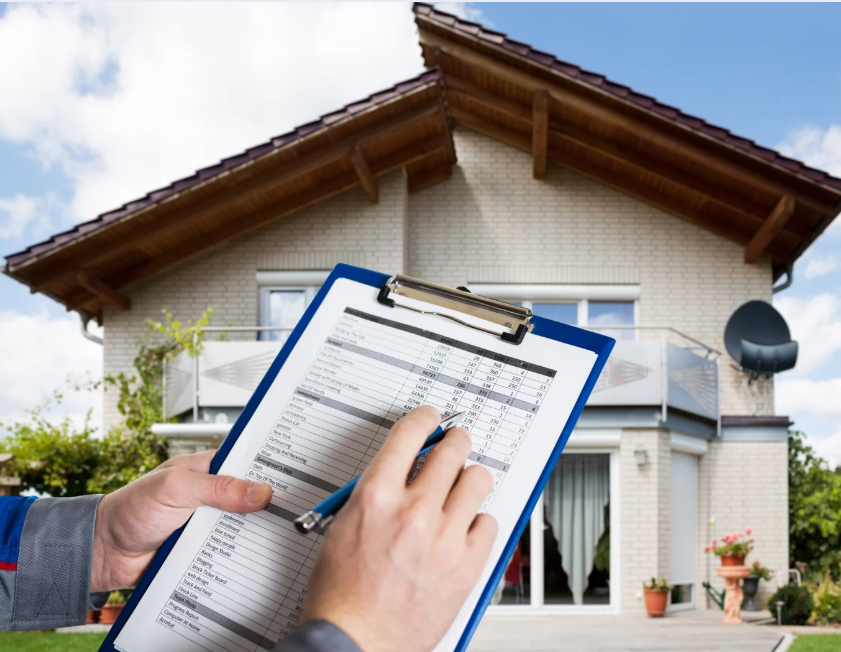
• Always invest in a thorough home inspection with specialized testing. A qualified inspector experienced with older homes can identify issues you'll miss. Consider getting additional inspections for specific concerns like structural engineering assessments, chimney inspections, or sewer line camera inspections. Budget significantly for deferred maintenance and upcoming system replacements—older homes require more maintenance and have more expensive surprise repairs than newer construction. However, with proper evaluation and realistic expectations, an older home can provide decades of comfortable living wrapped in irreplaceable character and craftsmanship.


Contact Us

Parker Real Estate Group I HUFF Realty

859-486-3300

www.NKYHomes.com

mike@mikeparker.com


Parker Real Estate Group /HUFF Realty

Northern Kentucky's Trusted Real Estate Team

Old Fashion Service, Today’s Technology!


Nov. 13, 2025

Bathroom Refresh That Increases Home Value in 2025


Bathroom Refresh That Increases Home Value in 2025

A well-planned bathroom refresh is one of the smartest, highest-return updates a homeowner can make. You don’t need a full renovation to boost value—strategic upgrades can instantly modernize the space, improve buyer appeal, and make your home feel well cared for. From small cosmetic touches to practical improvements, the right changes create a cleaner look, better function, and a stronger impression the moment someone walks in.


Overview (ROI: 60-75%)

A bathroom remodel doesn't have to be a full gut job to pay off. Buyers want clean, bright, and updated-not extravagant. According to the 2025 Cost vs. Value Report, a midrange bathroom remodel averages about $25,000 and recoups $18,600-$19,000 in resale value (""74% ROI).


1. Update the Vanity

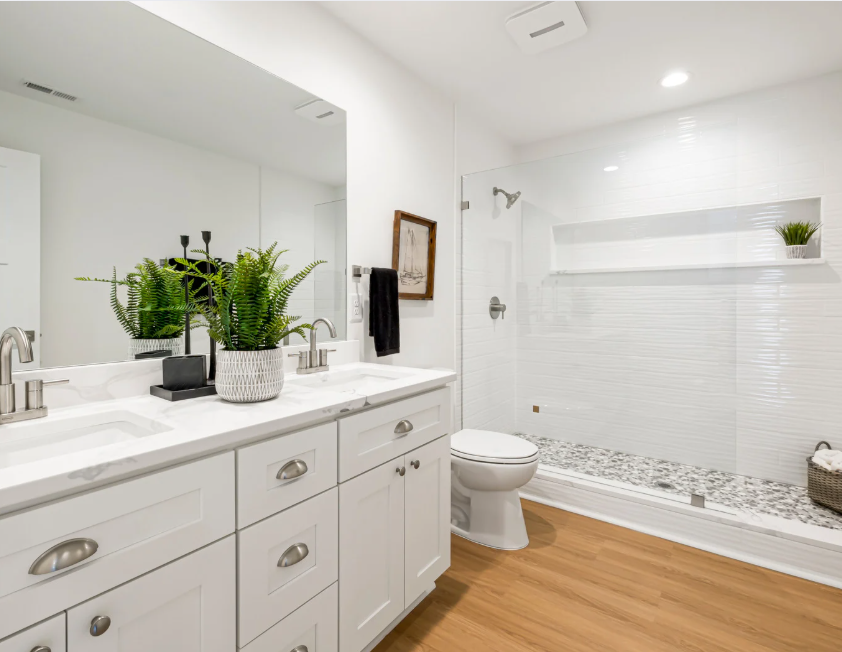
Replace outdated vanities with clean, shaker-style cabinetry and quartz or marble-look counters. Add an under-mount sink, modern faucet, and new mirror. For smaller bathrooms, use a floating vanity to create a spacious feel.


2. Refresh Fixtures and Hardware

Swap dated brass or chrome for coordinated modern finishes throughout-brushed nickel, matte black, or champagne bronze. Matching towel bars, faucets, and cabinet pulls create a cohesive,

designer-inspired look.


3. Improve Lighting & Mirrors

Replace fluorescent lighting with LED vanity sconces or a backlit mirror. Use daylight-balanced bulbs to make the space bright and flattering. Double mirrors over a double vanity are highly appealing to buyers.


4. Replace or Refinish Tile and Grout

Clean or regrout existing tile to restore a like-new appearance. If replacing, use large-format porcelain tiles in white or light gray to create a timeless and easy-to-clean space.


5. Upgrade the Shower or Tub Area

Install frameless glass doors to make the bathroom feel larger. Swap a builder-grade tub for a soaking tub or walk-in shower if space allows. Add a handheld sprayer for functionality and appeal.


6. Fresh Paint & Accessories

Use moisture-resistant paint in soft neutrals (white, greige, spa blue). Add new white towels, simple art, and plants for a spa-like effect before showings.


Pro Tips from Parker Real Estate Group

Focus on a refresh, not a full remodel-buyers value clean and functional over expensive. Coordinate finishes for a consistent, high-end look. Add touches of luxury: soft-close toilet lids, rainfall shower heads, or new mirrors. For seniors, consider walk-in showers or grab bars to appeal to accessibility buyers.


2025 Bathroom Remodel ROI Snapshot

Project Type

Average Cost

Average Resale Value

% Return

Midrange Bathroom Remodel

$25,251

$18,613

74%

Upscale Bathroom Remodel

$82,188

$47,611

58%


A bathroom refresh is one of the most reliable ways to boost home value. Keep it clean, neutral, and functional-today's buyers want comfort and style, not extravagance.


Contact Us

Parker Real Estate Group I HUFF Realty

859-486-3300

www.NKYHomes.com

mike@mikeparker.com


Parker Real Estate Group /HUFF Realty

Northern Kentucky's Trusted Real Estate Team

Old Fashion Service, Today’s Technology!

Nov. 12, 2025

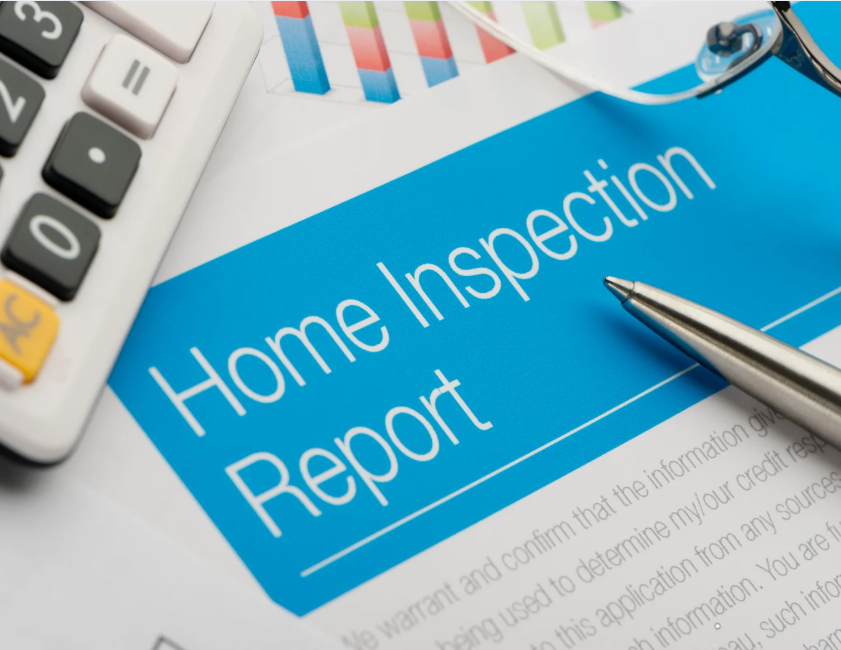
Complimentary Home Inspection Prep Walkthrough

PARKER REAL ESTATE GROUP I HUFF REALTY

Complimentary Home Inspection Prep Walkthrough

Old-Fashioned Service, Today's Technology


Our complimentary Pre-Home Inspection Walkthrough is designed to help homeowners get ahead of potential issues before the buyer’s inspection takes place. By identifying and addressing small problems early, sellers can minimize last-minute surprises, protect their home’s value, and create confidence that the property has been well cared for. This proactive step not only helps the sale move forward smoothly but also positions the seller for stronger negotiation and a faster, stress-free closing.


1. Initial Review 

The seller should start with a friendly tour of the home to identify easy fixes before the inspector arrives. Check accessibility to all rooms, attic, crawl space, and utility areas. Confirm all lights, switches, and outlets are working. Test smoke/CO detectors and replace batteries if needed. Verify utilities (gas, water, electric, HVAC) are on and operational. Scan curb appeal - gutters, paint, entryways, and landscaping. 


2. System & Structure Review

Check key systems to ensure everything appears ready for inspection: HVAC filters and service, plumbing leaks, electrical panels, appliances, and attic/basement access. Tip: Keep all service records handy.


3. Exterior & Safety Check

Inspect the outside and major safety areas: clean gutters, trim vegetation, check grading, inspect decks and railings, ensure outdoor lighting works. Optional: Photos for your records.


4. Presentation & Comfort

A clean, comfortable home leaves a lasting impression: deep clean, declutter, control odors, leave lights on, secure pets, and maintain a comfortable temperature. Result: A positive first impression for the buyer and inspector.


5. Safety & Compliance Items

Test all smoke and CO detectors, replace missing outlet covers, secure loose handrails, remove extension cords used as permanent wiring, ensure pilot lights are lit.


6. Documentation Review

Prepare and display receipts for recent repairs, warranties, manuals, upgrade notes, and local vendor lists. Tip: Organize in a binder labeled 'Home Information Packet.'


7. Post-Inspection Support

After the inspection: review findings with your Parker Real Estate Group agent who will help you respond to repair requests strategically. You will need to provide receipts for completed work and maintain timely communication. This will all help minimize stress and protect your sale.


8. Parker Advantage Add-Ons

For Parker clients, we offer Pre-Inspection Coordination, Before & After Photo Log, and Vendor Coordination with trusted local pros.


Contact Us

Parker Real Estate Group I HUFF Realty

859-486-3300

www.NKYHomes.com

mike@mikeparker.com


Helping Northern Kentucky homeowners prepare, sell, and succeed - one home at a time.


Nov. 11, 2025

First-Time Home Buyer Checklist

First-Time Home Buyer Checklist


First-Time Home Buyer Checklist: Your Guide to a Smooth Purchase

Buying your first home can feel overwhelming — especially if you’re not working with the right professionals to guide you through the process. Having a trusted team and a clear plan makes all the difference. One of the best ways to stay organized and confident is by using a detailed checklist to track every step.

Here’s a sample checklist to help you navigate the home-buying process from start to finish and avoid common mistakes along the way.


Step 1: Financial Readiness

    Check Your Credit Early - Review all three credit reports (annualcreditreport.com). Aim for a utilization rate under 30%.

    Determine Your True Buying Power- Factor in down payment, closing costs, and moving expenses.

    Get Fully Pre-Approved - Choose a local lender familiar with Northern Kentucky programs and ask about rate locks and first-time buyer grants.

    Organize Financial Documents - Gather tax returns, pay stubs, bank statements, and ID.


Step 2: Build Your Home Buying Team

    Partner with a Professional Buyer's Agent - Representation is free for buyers and ensures you're protected throughout the process.

    Select Your Lender & Insurance Agent - Compare interest rates and ask about buyer incentives.

    Get Connected to Trusted Partners - Parker Real Estate Group connects you to top inspectors, title companies, and vendors.


Step 3: Define Your Home Search

    Clarify Needs vs. Wants - List must-haves, nice-to-haves, and dealbreakers.

    Understand Market Conditions - Know if it's a buyer's or seller's market before offering.

    Preview Neighborhoods - Visit at different times of day and evaluate amenities, commute, and schools.


Step 4: Making an Offer

    Understand Offer Components - Price, earnest money, contingencies, and possession terms.

    Negotiate Smartly- Base offers on data, not emotions. Consider a home warranty.

    Schedule All Inspections - Home, radon, termite, and roof inspections are vital.


Step 5: From Contract to Closing

    Keep Finances Stable - Don't open new credit lines or change jobs during the loan process.

    Review Key Documents - Verify the Loan Estimate and Closing Disclosure carefully.

    Final Walkthrough - Confirm repairs and ensure all systems are working.

    Closing Day - Bring ID and certified funds. Review all documents before signing.


Step 6: After You Move In

    Change Locks & Update Addresses - Notify USPS, OMV, and financial institutions.

    Register for Homestead Exemption - Where applicable in Kentucky counties.

    Schedule Your Annual Equity Review - Parker Real Estate Group offers a complimentary review to track your home value.

    Stay Connected - Join our Client-for-Life Program for perks, events, and annual updates.


Email Mike Parker at mike@mikeparker.com for a more detail checklist


Parker Real Estate Group /HUFF Realty

Northern Kentucky's Trusted Real Estate Team

Old Fashion Service, Today’s Technology!


Posted in House Hacking
Nov. 10, 2025

Which Rooms Female Buyers Fall in Love With Most

 Which Rooms Female Buyers Fall in Love With Most


  Understanding What Really Wins Her Heart When Buying a Home


When a couple walks through a home for the first time, each person tends to focus on different details. While one might be drawn to the garage or backyard, the other often envisions how daily life will *feel* inside.

For many female buyers, that emotional connection determines whether a home feels right. Women tend to prioritize comfort, flow, and livability -  not just square footage. Below are the rooms where female buyers' decisions are often made.

The Kitchen - The Heartbeat of the Home

For most women, the kitchen sets the tone for the entire house. It's not just a cooking space -  it's where conversations happen, homework gets done, and family and friends gather.

What they love most includes open layouts, bright natural light, modern finishes, ample storage, and a functional island for gathering. Even small updates like new hardware or lighting can make a major impact.

The Primary Suite - Her Personal Retreat

Female buyers often envision this as their sanctuary-a space that's calm, private, and restorative. Spacious bedrooms, organized closets, and spa-like baths help them imagine peace and balance at home.

The Laundry Room & Mudroom - Where Practicality Shines

These areas showcase thoughtful design. Dedicated laundry rooms, countertop space, and organized mudrooms make daily routines easier and cleaner, showing that the home is both functional and cared for.

The Living Room - The Emotional Center

The living room is often where connection happens -    from family gatherings to quiet evenings. Female buyers favor open sightlines, fireplaces, and natural light, envisioning how it will *feel* to live there.

Outdoor Living - An Extension of Her Lifestyle

Outdoor spaces that blend beauty and practicality-like patios, decks, and landscaped yards-appeal strongly. They represent relaxation and quality of life.

 Bonus Spaces - Multi-Purpose and Meaningful

Flexible spaces like offices, craft rooms, or fitness areas allow creativity and lifestyle adaptability, adding value beyond square footage.

The Emotional Edge

Female buyers often make decisions based on how a home feels. Declutter, brighten, and stage your home to evoke comfort and belonging. A home that feels good sells faster.

Final Thought: Homes That Feel Like Home Sell Faster

When your home's most emotional spaces connect with female buyers, the impact can be powerful. At Parker Real Estate Group, we help sellers showcase what buyers love most - creating that "this is it" moment that leads to an offer.

Parker Real Estate Group I HUFF Realty

Old Fashioned Service, Today's Technology

Posted in Home Appreciation
Nov. 3, 2025

5 Smart Ways to Build Equity Faster in Your Home

5 Smart Ways to Build Equity Faster in Your Home

Building equity in your home is one of the smartest financial moves you can make. Equity represents your real ownership stake — the difference between what your home is worth and what you owe. Whether you plan to sell someday, refinance, or simply strengthen your financial position, growing that equity faster can pay off in a big way. The good news? You don’t have to wait decades to see results. Here are five practical, proven strategies to help you build home equity faster and make your money work harder for you.


Proven strategies every Northern Kentucky homeowner should know 

1.     Make Extra Payments Toward Principal 

  • Every dollar you pay beyond your regular mortgage payment goes straight toward your loan's principal, reducing interest and building equity faster. 
  • Make one extra full payment per year, divide payments biweekly, or round up each month. 
  • Apply tax refunds or bonuses directly to your mortgage. 


2.     Refinance Strategically 

  • If interest rates have dropped or your credit score has improved, refinancing can help you save thousands and build equity quicker. 
  • Switching from a 30-year to a 15- or 20-year term means paying off your home faster. 
  • Compare your current rate, factor in closing costs, and explore no-closing-cost refinance options. 


3.     Boost Your Home's Value with Smart Upgrades 

  • Focus on updates that offer a high return on investment (ROI): 
  • • Kitchen and bathroom upgrades. 
  • • Energy-efficient improvements such as new windows or insulation. 
  • • Curb appeal projects like landscaping or painting. 


4.     Take Advantage of Tax Breaks 

  • Homeowners may be eligible for deductions on mortgage interest, property taxes, home office expenses, and energy-efficient upgrades. 
  • Reinvest tax savings or refunds into your mortgage or home improvements to grow equity faster. 


5.     Let Market Appreciation Work in Your Favor 

  • As property values rise, so does your equity. Maintain your home, make timeless improvements, and track your home's value annually. 


Bonus Tip: Schedule a Home Equity Review 

  • Meet annually with a trusted real estate advisor to review your home's value, loan balance, and equity position. 
  • This helps identify refinancing opportunities, smart upgrades, and long-term wealth strategies. 


At Parker Real Estate Group/HUFF Realty, we help Northern Kentucky homeowners make smart real estate and financial decisions every day. Schedule your complimentary Home Equity Review today at Mike@MikeParker.com or 859-486-3300 and discover how quickly your home can start working for you. 


Posted in Home Appreciation
Nov. 3, 2025

Why You Don’t Need To Be Afraid of Today’s Mortgage Rates

Mortgage rates have been the monster under the bed for a while. Every time they tick up, people flinch and say, “Maybe I’ll wait.” But here’s the twist. Waiting for that perfect 5-point-something rate could end up haunting your wallet later.

The Magic Number

According to the National Association of Realtors (NAR):

“. . . a 30-year fixed rate mortgage of 6% would make the median-priced home affordable for about 5.5 million more households—including 1.6 million renters. If rates were to hit that magic number, it’s likely that about 10%—or 550,000—of those additional households would buy a home over the next 12 or 18 months.

When the market hits that mortgage rate sweet spot, as expert forecasters are starting to say is more likely in 2026, the psychological shift to lower rates will kick in for more of today’s hopeful buyers. That will unleash some pent-up demand that’s been waiting on the sidelines, and the increase in activity will cause prices to rise.

And while a 5.99% rate might sound like a big win, if you’re waiting for that number to make your move, it might not actually save you as much as you think. Here’s how the math looks when you run the numbers (see chart below):

On a $400,000 mortgage, the difference between today’s rate (around 6.2%) and 5.99% is roughly $50 a month. That’s less than many people spend on weekly coffee runs or occasional DoorDash orders. And as prices tick up with more buyers in the market, that could quickly negate any of your potential savings.

So, if you’re waiting for 5.99%, that difference might not be worth missing out on today’s opportunities, like having more homes to choose from, better negotiation leverage with today’s sellers, and fewer buyers out there looking for the same houses.

Because the reality is, those benefits start to slip away when more buyers begin to make their moves – and a rate under 6% is exactly they’re waiting for.

Jessica Lautz, Deputy Chief Economist and VP of Research at NAR, says:

“Over the last 5 weeks, mortgage rates have averaged 6.31%. This has provided savvy buyers a sweet spot to reexamine the home search process with more inventory, widening their choices.”

And like Matt Vernon, Head of Retail Lending at Bank of America, notes:

“Rather than waiting it out for a rate that they like better, hopeful homebuyers should assess their personal financial situation—if the house is right for them, and the upfront and monthly payments are affordable, it could be the right chance to make a move.

Bottom Line

If moving at today’s rate scares you, remember, waiting doesn’t always pay off. Once rates dip below 6%, as some experts project they’ll do next year, more buyers (and higher prices) will be back.

So, don’t be afraid of today’s mortgage rates. Because if you’re ready, this might just be your chance to make your move before the market wakes up again.

The information contained, and the opinions expressed, in this article are not intended to be construed as investment advice. Keeping Current Matters, Inc. does not guarantee or warrant the accuracy or completeness of the information or opinions contained herein. Nothing herein should be construed as investment advice. You should always conduct your own research and due diligence and obtain professional advice before making any investment decision. Keeping Current Matters, Inc. will not be liable for any loss or damage caused by your reliance on the information or opinions contained herein.


Posted in Market Updates
March 26, 2024

Smart Home Tech: Is It Real Property or Personal Belongings in a Home Sale?

Many of today's homeowners have accumulated multiple high-tech "smart" devices to make their home more convenient, economical, and fun to operate.  When they decide to sell the home, they need to make the listing agent completely aware of whether they will be included in the sale of the home. 

Some of these things easily meet the definition of real property because they are permanently installed like thermostats, doorbells, cameras, garage door openers, and pool equipment monitors.  A rule of thumb mentioned frequently is that if it were removed, the functionality would cease or if there would be evidence of where it had been, it is probably real property and is included in the sale.

Other devices like virtual assistants made by Amazon, Apple, or Google, may not specifically meet that criteria but they are needed to operate things like electrical switches and plugs, or lamps.  It becomes a grey area of whether it is real property when TV's, doorbells, garage door openers, and other devices are dependent on the virtual assistants.

Door locks, as well as some other devices, have a master code written on them that allows the new owner to reset the combination ensuring not only their safety but potential liability for the seller.  In some cases, the seller will need to do this using the app on their computer or phone while it is still connected to their home network.  It may be prudent to arrange a time for the seller to reset the devices in question for the buyers' convenience and security.

Smart home additions could easily be a selling point for potential buyers and sellers need to weigh the benefits of promoting the advantages of such and including those items in the sale of the home.

Make an inventory of what devices stay with the home and what needs to be done to reset them for the new owner.  This could be done at the time of listing the home and given to the listing agent at the same time the listing agreement is signed. Your listing agent will know how to handle it, but decisions must be made before the home is put on the market or it is shown to any prospective purchasers.

Posted in Home Technology
March 19, 2024

Leverage Your Home's Equity into Rental Property

There can be many reasons homeowners aspire to have their home paid for.  They can include no mortgage payments, financial security, debt reduction, lower expenses, retirement planning, financial freedom, legacy planning, no risk of foreclosure, and reduced stress, just to name a few.

All those things have a cost attached to them which is the loss of the earning power which is tied up in an asset that only benefits the owner by appreciation.  In the past few years since the pandemic began, homeowners have experienced a dramatic increase in equity due to appreciation.

As an example, let's set up a comparison of how the yield on equity decreases as the property appreciates.  A homeowner has a debt-free home worth $400,000 that is expected to appreciate at 4% a year for the next five years. The future value of the home would be $486,661 and the owner would have earned a 4% return on his investment in the property.

In scenario #2, the homeowner refinances the property today for 80% of its value at 7% interest for 30-years.  At the end of the five years, the property is still worth $486,661 and his unpaid balance on the mortgage would be $338,874. The $80,000 equity would have grown to $147,787 earning him an annual return on investment of 13.06%.  The leverage of the borrowed funds caused the owner in this example to triple his yield.

Let's not forget the $320,000 cash out that the owner received when he refinanced the home.  If that was invested in rental real estate, he may be able to buy three to four more properties with 80% mortgages and increase his yield even more.

There is a lot more to a total analysis of a situation like this because rental properties have income and tax advantages that are not relative to a principal residence.  What is possible for the homeowner with this type of asset in their home, is to free up a major portion of the cash and reinvest it.

Having equity gives a homeowner many benefits including financial freedom and security, peace of mind, and the option to pull money out, tax free, to invest in rental property to increase their wealth position.

To learn more about rental property, download our Rental Income Properties and then, schedule a time when we can get together to explore options.  We can start with a Home Equity Review to see what kind of funds may be available based on the current value of your home and its unpaid balance and then talk about how rental property could help you with your financial goals.

March 11, 2024

Adapting to Life's New Chapters

All of us encounter major life events and they have the possibility of disrupting our lives temporarily, if not permanently.  The homes we live in may have met our needs originally but due to a change in our life, it may no longer be adequate or the best fit for us, which will require a move. The decision to change one's living situation often comes as a response to these pivotal moments, and the reasons behind such changes can be as diverse as the events themselves. 

The number of things that can influence these changes is numerous.  It may be the birth of a new child, or the ages of the children are getting such that you simply need more room. 

Marriages generally merge two households into one.  The possibilities are endless, but it could be two single people or two single parents each with children who need the right space to blend the families.

A promotion, transfer, or a new job could require a change in housing, or maybe just make it more convenient to move closer to where a person is working. 

Countless numbers of people have moved as a result of health issues.  It could be to get away from the altitude, or to a drier climate, or to a more rural area where life is simpler.  The death of a spouse can be the impetus for the move.

Empty nesters and retirees have the freedom to make changes to their housing that will better adapt to their new lifestyle.  The time may have come to seek a cozier, more manageable abode that suits the evolving needs of empty nesters.  It may or may not lead them to a new city or state, but it can certainly include a different size or style home than they have currently.

These are just a few examples of how major life events can set the stage for changes in housing. If you are considering a move for one of these reasons now, you will probably think about it at some point.  We can help you through today's market, talk about timing, and guide you through the decision-making process.

We want to be your trusted agent, ready to support you finding your dream home as you start this new chapter in your life. Take the first step, when the time is right, by connecting with us.