Buying a historic or older home can be an exciting venture filled with character and charm that newer constructions simply can't replicate. However, homes built before 1975 come with unique considerations that require careful evaluation. Here's your comprehensive guide to navigating the purchase of a home with more than five decades of history.
Foundation and Structural Integrity
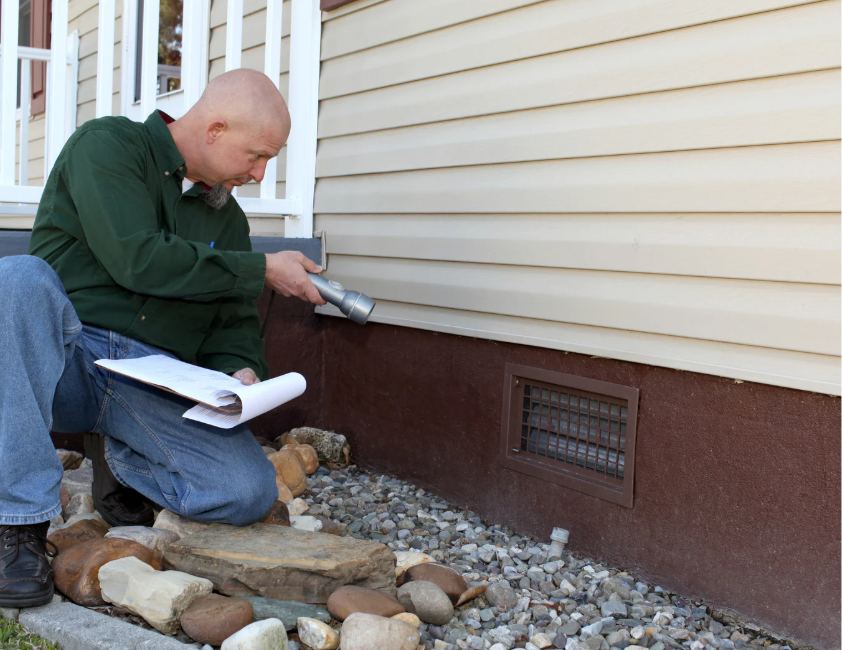
• Foundation condition is paramount in older homes. Look for cracks wider than a quarter-inch, particularly horizontal cracks or stair-step patterns in brick or block foundations. Settlement is normal, but active movement indicates serious problems. Walk the basement or crawl space with a flashlight, checking for water stains, efflorescence (white powdery deposits), or dampness. Pay attention to whether floors feel springy or slope noticeably, as this suggests foundation issues or deteriorated floor joists. Older homes may have stone foundations that require different maintenance than modern poured concrete, and these can be more susceptible to water infiltration and shifting over time.
• Examine the structural framing carefully. In basements and attics, look for sagging beams, modified or cut joists, and signs of wood rot or insect damage. Termites, carpenter ants, and powder post beetles are common in older homes. Check for mud tubes along foundation walls, hollow-sounding wood when tapped, or small piles of sawdust. Previous owners may have made structural modifications without proper engineering, so notched joists or removed walls without adequate support beams are red flags that require professional assessment.
Electrical Systems
• Electrical systems in pre-1975 homes often need complete updating. Look for the amperage of the main service panel—older homes typically have 60 or 100-amp service, while modern homes require 200 amps for today's electrical demands. Check whether the home still has knob-and-tube wiring or aluminum wiring, both of which are considered fire hazards by insurance companies and will likely require replacement. Many insurers won't cover homes with these outdated systems. Count the number of outlets in each room—older homes were built when electricity was used less frequently, so you'll likely find insufficient outlets by today's standards. Look for signs of amateur electrical work like exposed wires, outlets without cover plates, or multiple extension cords indicating inadequate power sources.
Plumbing Infrastructure
• Plumbing in older homes presents multiple concerns. Determine what type of pipes exist throughout the house. Galvanized steel pipes, common in homes built before 1960, corrode from the inside out and typically need replacement after 50 years. Lead pipes, found in some pre-1950s homes, pose serious health risks and require immediate replacement. Check water pressure at multiple fixtures simultaneously—low pressure indicates corroded pipes or inadequate supply lines. In the basement, look for evidence of previous leaks, patched pipes, or jury-rigged repairs. Inspect under sinks for corrosion, drips, or water damage to cabinets. Ask about the sewer line material—older clay or cast iron sewer lines may have root intrusion or deterioration requiring expensive repair or replacement.
Roofing and Drainage
• The roof's condition and remaining lifespan significantly impact your investment. Most roofs last 20-30 years depending on material, so a 50-year-old home has likely had at least one or two replacements. Walk around the property and look up at the roofline—sagging or wavy sections indicate structural problems. Check the attic for daylight coming through, water stains, or damaged decking. Look at the flashing around chimneys, vents, and valleys where two roof planes meet, as these are common failure points. Examine gutters and downspouts for proper attachment, adequate capacity, and appropriate drainage away from the foundation. Standing water near the foundation or basement moisture issues often stem from inadequate roof drainage systems.
Windows and Insulation
• Original windows in older homes are often single-pane and extremely inefficient. While historic windows have aesthetic appeal, they lack the energy efficiency of modern double or triple-pane units. Check for broken seals, rotted frames, or windows that won't open or close properly. Many older homes have poor insulation by modern standards—ask about attic insulation depth (should be at least R-30 in most climates) and whether walls have been insulated during renovations. Feel for drafts around windows, doors, and electrical outlets. Poor insulation and inefficient windows will significantly increase heating and cooling costs, potentially adding hundreds of dollars monthly to utility bills.
Heating and Cooling Systems
• HVAC systems have limited lifespans requiring replacement. Furnaces typically last 15-20 years, while air conditioning units last 10-15 years. Ask for maintenance records and the age of both systems. Older homes may have outdated heating systems like gravity furnaces, steam radiators, or oil burners that are expensive to operate and maintain. Check whether ductwork exists for central air conditioning—many older homes lack ductwork entirely, making AC installation significantly more expensive. Look for asbestos-wrapped ductwork or pipes in the basement, which requires professional abatement if damaged or disturbed.
Environmental Hazards
• Homes built before 1978 almost certainly contain lead paint. This is particularly concerning if you have young children. Budget for lead abatement or encapsulation if necessary. Asbestos was commonly used in insulation, floor tiles, siding, and popping texture until the 1970s. While not dangerous when undisturbed, any renovation work requires professional testing and potentially costly removal. Have the water tested for lead, especially if the home has older plumbing. Consider radon testing regardless of the home's age, as this radioactive gas can accumulate in any home and causes lung cancer with long-term exposure.
Final Considerations
• Always invest in a thorough home inspection with specialized testing. A qualified inspector experienced with older homes can identify issues you'll miss. Consider getting additional inspections for specific concerns like structural engineering assessments, chimney inspections, or sewer line camera inspections. Budget significantly for deferred maintenance and upcoming system replacements—older homes require more maintenance and have more expensive surprise repairs than newer construction. However, with proper evaluation and realistic expectations, an older home can provide decades of comfortable living wrapped in irreplaceable character and craftsmanship.
Contact Us
Parker Real Estate Group I HUFF Realty
859-486-3300
www.NKYHomes.com
mike@mikeparker.com
Parker Real Estate Group /HUFF Realty
Northern Kentucky's Trusted Real Estate Team
Old Fashion Service, Today’s Technology!