Part 7: Living Trusts Explained Simply—Is One Right for You?
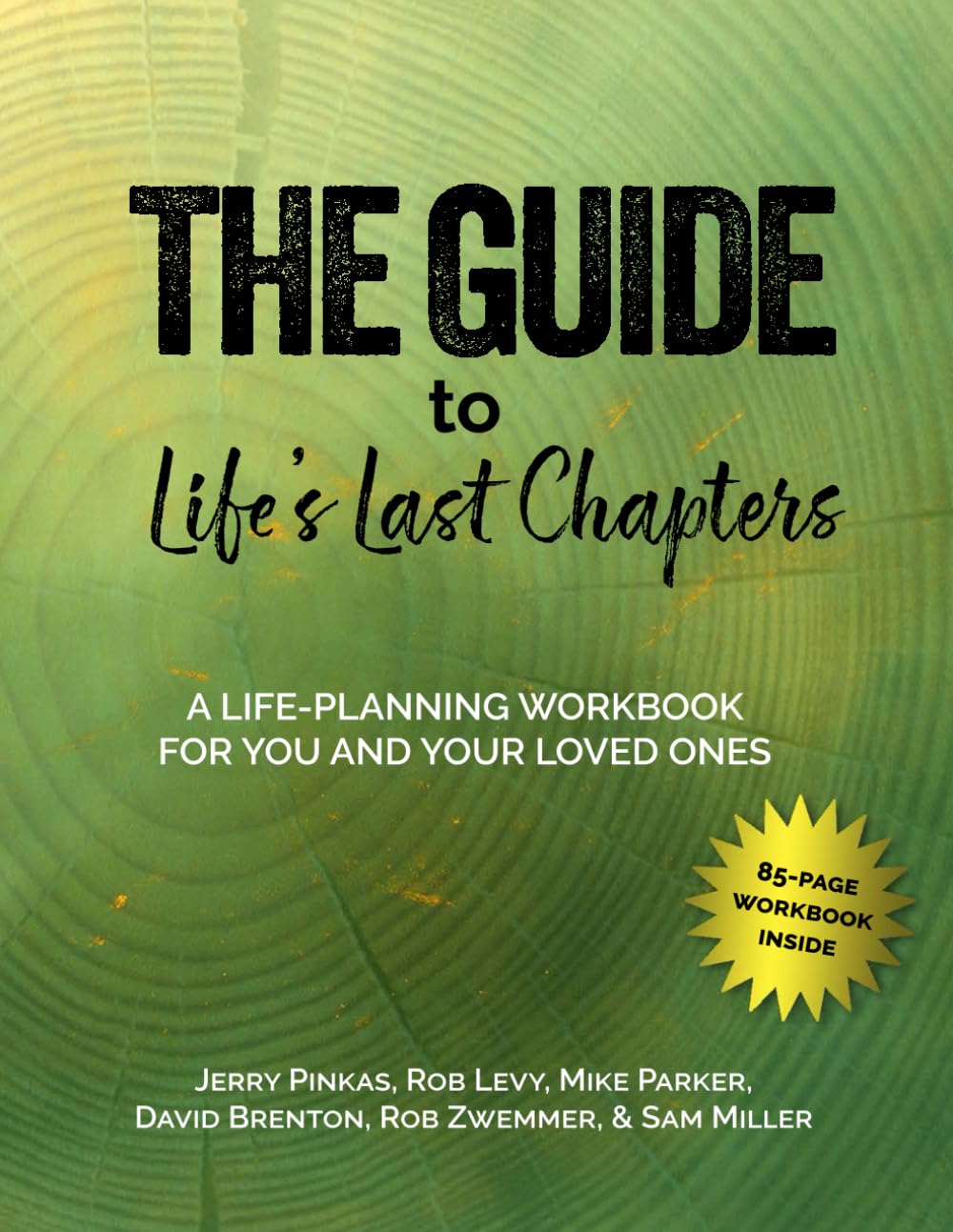
This blog is part of a 10-part series put together by the co-author, Mike Parker, of The Guide to Life’s Last Chapters, this series is just a snapshot of what the full book holds!
Few topics in life planning create as much confusion as living trusts. For many seniors, the term alone feels intimidating—often wrapped in legal jargon, assumptions about wealth, or the idea that it’s “something other people do.” In reality, living trusts are not about status or complexity. They are about clarity, control, and peace of mind.
Understanding living trusts in plain language allows you to make informed decisions without fear or pressure.
What a Living Trust Is—and What It Isn’t
At its simplest, a living trust is a legal arrangement that allows you to place certain assets into a trust during your lifetime. You typically remain in control of those assets while you are alive and capable. After your passing, the assets in the trust are distributed according to your instructions.
A living trust:
•Helps clarify how assets are handled
•Allows for continuity if you become incapacitated
•Can reduce delays and confusion after death
A living trust is not:
•Only for the wealthy
•A replacement for all legal planning
•Something that eliminates the need for thoughtful organization
It is simply one tool among many.
Why Living Trusts Appeal to Many Seniors
As people age, priorities often shift. Many seniors value simplicity, efficiency, and minimizing stress for loved ones. Living trusts can support those goals by creating a clear framework for handling assets.
Common reasons seniors explore trusts include:
•Wanting smoother transitions if they can no longer manage affairs
•Reducing the burden on family members
•Creating clarity around distribution of assets
The appeal lies in control with compassion—maintaining authority while making things easier for others.
Trusts vs. Wills: Understanding the Difference
One of the most common misunderstandings is believing that a trust replaces a will. In reality, they serve different roles.
A will:
•Takes effect after death
•Often goes through probate
•Names guardians, executors, and wishes
A living trust:
•Functions during your lifetime
•Can provide guidance during incapacity
•Helps streamline asset handling
Many people use both, working together to create a complete plan.
Control Does Not Disappear with a Trust
One fear seniors express is losing control of their assets once they are placed into a trust. In most cases, this fear is unfounded.
As the creator of a living trust, you typically:
•Maintain full control while competent
•Can change or revoke the trust
•Decide exactly how assets are handled
A well-structured trust adapts as life changes.
Choosing the Right Trustee Matters
A trustee is the person or entity responsible for managing the trust when you are unable to do so. Choosing the right trustee is critical.
Important qualities include:
•Trustworthiness and integrity
•Organizational skills
•Ability to act calmly under pressure
Some families choose a family member. Others select a professional trustee to avoid conflict or reduce emotional strain. There is no one-size-fits-all answer—only what aligns best with your family and values.
Trusts Are About People, Not Paperwork
At its core, a living trust is not about documents—it’s about relationships. It is about sparing loved ones unnecessary stress, delays, and confusion during emotionally difficult times.
When intentions are clear and legally supported, families can focus on supporting one another rather than navigating complexity.
Is a Living Trust Right for You?
The right question is not “Should everyone have a trust?” but rather “What level of clarity and control do I want?”
A living trust may be appropriate if you:
•Value efficiency and continuity
•Want to reduce uncertainty for loved ones
•Prefer proactive planning over reactive decisions
Understanding your options empowers you to choose confidently, without pressure or fear.
If you would like your own copy of the book, it is available on Amazon for $19.99 at the link below. You can also reach out directly to Mike Parker at Mike@MikeParker.com for a FREE PDF version of the book.
The Guide to Life's Last Chapters: A Life-Planning Workbook for You and Your Loved Ones
#ParkerRealEstateGroup #NKYHomes #ParkerAdvantage #HUFFRealty
Parker Real Estate Group • HUFF Realty• NKYHomes.com
Serving Northern Kentucky with honesty, expertise, and care.