Part 8: Handling Personal Belongings with Care, Meaning, and Respect
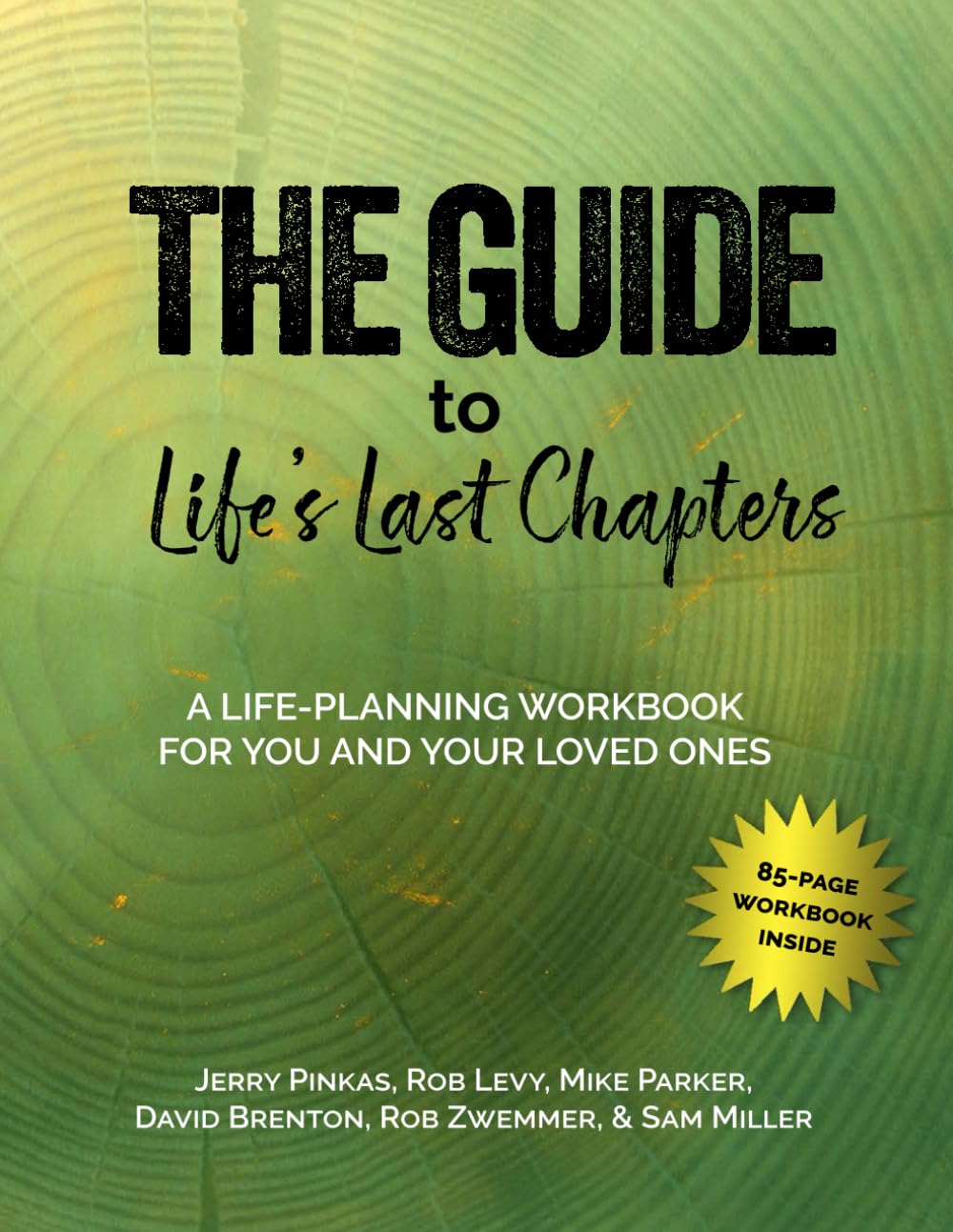
This blog is part of a 10-part series put together by the co-author, Mike Parker, of The Guide to Life’s Last Chapters, this series is just a snapshot of what the full book holds!
Over a lifetime, we accumulate more than possessions—we collect memories, relationships, and stories. Every item we keep holds meaning, whether practical, sentimental, or symbolic. For seniors, deciding what to do with personal belongings can be one of the most emotionally challenging aspects of life planning.
Handled thoughtfully, it can also be one of the most meaningful.
Why Personal Belongings Carry Emotional Weight
Objects often represent chapters of our lives. A piece of jewelry, a set of dishes, a collection of photographs—each tells a story. That emotional connection is real and deserves respect.
Problems arise when belongings are left unaddressed. Loved ones may struggle to:
•Understand what mattered most to you
•Decide what to keep, give away, or discard
•Avoid conflict over sentimental items
Clarity prevents confusion. Intention preserves harmony.
Why Avoidance Creates Unnecessary Stress
Many people delay addressing personal belongings because it feels overwhelming or emotional. Unfortunately, avoidance often transfers that burden to family members later.
When no guidance exists:
•Loved ones may feel guilty discarding items
•Disagreements can arise over “who gets what”
•Meaningful items may be lost or mishandled
Taking time now ensures your belongings are treated with care and respect.
Start with Stories, Not Stuff
One of the most effective approaches is to focus on meaning before logistics.
Ask yourself:
•Which items tell the story of my life?
•What do I want future generations to remember?
•Are there items tied to specific people or memories?
Documenting the story behind an item can be just as valuable as the item itself.
Clear Instructions Reduce Conflict
When instructions are clear, loved ones don’t have to guess. This clarity can be as simple as:
•Writing notes explaining your wishes
•Labeling items intended for specific people
•Having conversations about what matters most
Clear guidance transforms potential conflict into gratitude.
Professional Appraisals Can Be Helpful
Some belongings may have financial value you’re unaware of. Professional appraisals help:
•Prevent valuable items from being overlooked
•Ensure fair distribution
•Reduce disputes
This step is especially helpful for collections, antiques, or artwork.
Letting Go Is Part of Legacy
Releasing possessions doesn’t erase their meaning—it honors it. Giving items to loved ones while you’re able allows you to:
•Share stories directly
•See appreciation firsthand
•Reduce future burden
Legacy is not about accumulation. It is about connection.
A Thoughtful, Respectful Approach
Handling personal belongings with intention reflects a lifetime of care. It allows your possessions to continue bringing joy rather than stress.
By planning thoughtfully, you ensure that what you leave behind is not confusion—but clarity, meaning, and peace.
If you would like your own copy of the book, it is available on Amazon for $19.99 at the link below. You can also reach out directly to Mike Parker at Mike@MikeParker.com for a FREE PDF version of the book.
The Guide to Life's Last Chapters: A Life-Planning Workbook for You and Your Loved Ones
#ParkerRealEstateGroup #NKYHomes #ParkerAdvantage #HUFFRealty
Parker Real Estate Group • HUFF Realty• NKYHomes.com
Serving Northern Kentucky with honesty, expertise, and care.