Post-Storm Home Inspection: What Sellers and Buyers Should Look For
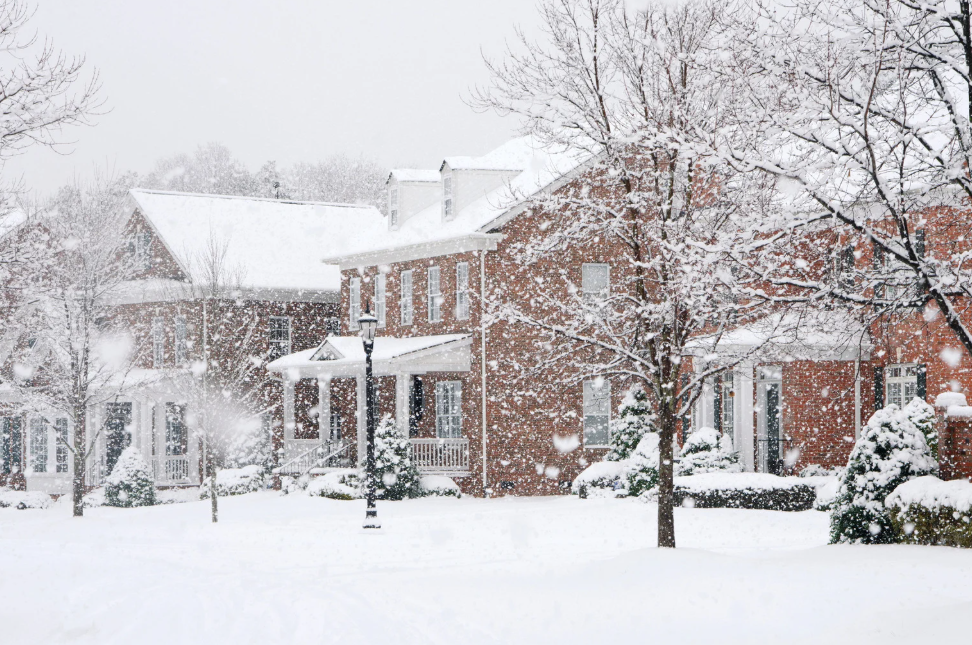
Winter storms can be beautiful from inside your warm home, but they often leave behind a trail of damage that isn't immediately visible. Whether you're preparing to sell your home or considering a purchase in Northern Kentucky, understanding what to look for after severe winter weather can save you thousands of dollars and prevent serious complications down the road.
After 39 years in real estate and over 5,000 transactions in Northern Kentucky, I've seen how winter storms reveal problems homeowners never knew existed—and how undetected damage can derail real estate transactions. Here's what you need to know.
Ice Dams: The Silent Roof Destroyer
Ice dams form when heat escapes through your roof, melting snow that then refreezes at the roof's edge where it's colder. This creates a dam that prevents proper drainage, forcing water under your shingles and into your home.
What to look for:
•Icicles hanging from gutters (while picturesque, they signal potential problems)
•Water stains on ceilings or walls near the roofline
•Peeling paint or wallpaper in upper-floor rooms
•Sagging gutters or visible ice buildup along roof edges
•Moisture in your attic, particularly near the eaves
The real danger with ice dams is that the damage often occurs inside your walls and attic where you can't see it immediately. By the time you notice interior water stains, significant structural damage may have already occurred. For sellers, addressing ice dam damage before listing prevents inspection surprises. For buyers, having a qualified inspector check for evidence of past ice dams is essential, even if the current owners claim they've never had problems.
Roof Damage: Beyond the Obvious
Heavy snow loads and freeze-thaw cycles take a serious toll on roofing materials. Shingles that were borderline before winter may fail completely after a harsh season.
Inspect for:
•Missing, cracked, or curling shingles
•Granule loss (check your gutters for excessive granules)
•Damaged or missing flashing around chimneys, vents, and skylights
•Sagging sections of roofline
•Daylight visible through roof boards in your attic
One often-overlooked issue is the condition of your roof valleys—where two roof planes meet. These areas collect snow and ice, making them particularly vulnerable to damage. I've seen transactions where buyers discovered a roof that looked fine from the ground needed $15,000 in repairs once a professional inspection revealed valley damage.
For sellers, getting on your roof (safely, or hiring a professional) before listing can identify issues you can address proactively. For buyers, never waive a roof inspection, even if the seller provides a recent inspection report. Winter damage can happen quickly.
Foundation Issues from Freeze-Thaw Cycles
Water expands when it freezes. When that water is in the ground around your foundation or in existing foundation cracks, the expansion creates enormous pressure that can cause or worsen foundation problems.
Warning signs include:
•New cracks in basement walls or floors
•Doors or windows that suddenly stick or won't close properly
•Cracks in exterior brickwork or siding
•Gaps between walls and ceilings or floors
•Water infiltration in basements that were previously dry
•Soil pulling away from your foundation
The freeze-thaw cycle is particularly harsh in Northern Kentucky. I've worked with clients who discovered hairline foundation cracks had expanded to serious structural issues after just one severe winter. The key is identifying whether foundation cracks are old and stable or new and actively growing.
For sellers, documenting the condition of your foundation before winter—with photos and measurements of existing cracks—can demonstrate that problems didn't worsen on your watch. For buyers, any foundation crack wider than a quarter-inch deserves professional evaluation by a structural engineer, not just a home inspector.
Taking Action
If you're selling and discover storm damage, address it before listing. Disclosed, repaired issues build buyer confidence. Undisclosed problems discovered during inspection create distrust and kill deals.
If you're buying, invest in a thorough post-storm inspection even if the home looks perfect. The best deals go to informed buyers who know exactly what they're purchasing.
Winter storms don't just test our homes—they test our knowledge of what we own or what we're considering buying. Whether you're buying or selling in Northern Kentucky, understanding these post-storm inspection priorities protects your investment and ensures smooth transactions.
Need help navigating storm damage in your real estate transaction? With 39 years of experience and over 5,000 transactions, The Parker Real Estate Group knows how to handle these situations. Visit nkyhomes.com or contact us today.
#ParkerRealEstateGroup #NKYHomes #ParkerAdvantage #HUFFRealty
Parker Real Estate Group • HUFF Realty• NKYHomes.com
Serving Northern Kentucky with honesty, expertise, and care.